
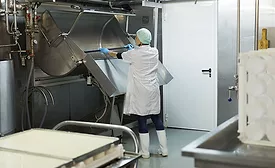
Based on a recent analysis, WaterMagage4You is a free, online tool developed by the European Food Safety Authority (EFSA) to help industry predict and mitigate microbial contamination risks in process water for fresh, fresh-cut, and frozen produce. EFSA also published recommendations for fit-for-purpose process water management.
To support companies seeking to achieve regulatory compliance in the U.S., Eurofins Healthcare Assurance network of companies now offers a new Good Manufacturing Practices (GMP) certification program for dietary and food supplements.
Uncovered through a FOIA request, an FDA Form 483 sent to Taylor Farms’ Colorado Springs facility documented questionable food safety and hygiene observations. The release of the FOIA-requested form comes from increased scrutiny following the facility's implication as the supplier of McDonald’s onions that caused an E. coli outbreak in late 2024.
FDA has released four new guidance documents to help industry comply with food labeling regulations concerning allergens and plant-based alternatives to animal foods, as well as food safety regulations for ready-to-eat (RTE), low-moisture foods.
A new study led by USDA-ARS and Oklahoma State University showed that oregano and cinnamon essential oils can be reused multiple times to effectively wash organic leafy greens contaminated with E. coli without losing antimicrobial activity.
The use of hydroxyl radical air cleaners is a unique and valuable addition to the food industry's methods of minimizing pathogens in air and on surfaces
Hydroxyl radicals offer an effective, safe, and scalable approach to food plant hygiene and food safety. This outcome can be achieved by devices that use ultraviolet (UV) energy to generate hydroxyls from water vapor, turning the ambient air into a mechanism for cleaning.
Filling a critical knowledge gap in light of recent outbreaks and recalls associated with low-moisture foods, a study led by National University of Singapore researchers has characterized dry surface Salmonella biofilms and developed a fit-for-purpose, antibiofilm, waterless sanitization protocol for the low-moisture food industry.
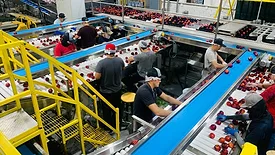
A research project funded by the Center for Produce Safety (CPS) is exploring the microbial risks of unconventional surfaces in small and midsized produce packinghouses with the goal of determining sanitation best practices.