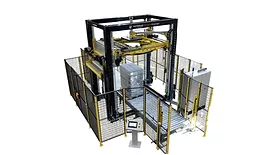
The Octopus Prestige stretch wrapper supports high-speed wrapping performance for end-of-line packaging environments, while improving operational efficiency and reducing material usage.
The new Cascade Water Recirculation system and Inspira Series high-speed bagmaker from Heat and Control are designed to meet food processors’ sustainability and efficiency demands.
The research can serve as a foundation for updating or developing new Restricted Substances Lists to mitigate potential risks to human and environmental health posed by hazardous chemicals used food contact materials.
Imagine a seemingly minor labeling error causing a nationwide recall, costing a food manufacturer millions, and damaging consumer trust. Undeclared allergens, incorrect nutritional information, and illegible date codes are just a few packaging mistakes that can trigger costly and reputation-damaging events.
Illinois recently enacted a law that requires baby food manufacturers to test their products for toxic elements (i.e., lead, cadmium, arsenic, and mercury). By January 2027, the results must be made publicly available for consumers.
A recently completed study funded by the Center for Produce Safety (CPS) has provided new insights into Listeria monocytogenes growth, survival, and inactivation on pears during packing and in storage, and characterized microbial communities of yeasts, molds, and lactic acid bacteria.
A French analysis of anaphylaxis cases revealed eight foods causing a notable number of allergic reactions, which are not included on the EU list of major food allergens requiring mandatory labeling. The researchers recommend four of these hidden allergens for inclusion on the list.
SÜDPACK has unified its high-performance tubular pouch films from the premium Pure-Line range, made from polypropylene (PP) and polyethylene (PE), into a dedicated product family, now marketed under the CarbonLite brand.
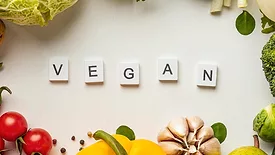
Intended to prevent misleading or inconsistent labeling of plant-based foods, the national vegan-certified labeling scheme is voluntary and is in line with ISO standards.
 RSS
RSS