Unlike plastic, the mycelium- and cellulose-based material is biodegradable and free of chemicals of concern. It is likely safe for humans and the environment in the long term, as demonstrated by humanity’s history of consuming fungi.
Following Codex recommendations for risk-based allergen Precautionary Allergen Labeling (PAL) and thresholds, the European Commission has posted a forthcoming draft act to its public feedback portal on harmonized requirements for the use of voluntary PAL statements.
In this episode of Food Safety Matters, we speak to food science and packaging expert Dr. Claire Sand about the regulatory, sustainability, and technical considerations for food companies regarding chemicals of concern in packaging, and what the future of food packaging might look like.
CalRecycle has issued a final draft of the Plastic Pollution Prevention and Packaging Producer Responsibility Act (SB 54), which establishes an extended producer responsibility (EPR) program to manage packaging and single-use plastic. Western Growers shared concerns about the produce industry’s ability to qualify for categorical exclusion.
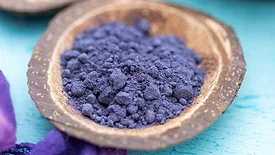
As part of its efforts to encourage industry to phase out the use of petroleum-based synthetic food dyes, FDA is expanding the allowed uses of the label claim “no artificial colors” on food products and has approved a new naturally derived colorant for food.
New Jersey Governor Phil Murphy has signed into law the Protecting Against Forever Chemicals Act, which prohibits statewide the manufacture and sale of certain consumer goods that contain intentionally added per- and polyfluoroalkyl substances (PFAS).
Signode’s automation capabilities for empty container producers—which, relevant to the food supply chain, include aluminum cans, glass and PET bottles, jars, and lightweight rigid plastics—combine conveying, robotic palletizing, strapping, and unitizing into a unified workflow.
The document clarifies key points about the scope of and compliance with Regulation (EU) 2024/3190, which bans the use of BPA and other hazardous bisphenols in food contact materials on the EU market.
FDA has issued a Request for Information regarding labeling and preventing cross-contact of gluten in packaged foods, in an effort to improve transparency in the disclosures of ingredients that impact certain health conditions (such as gluten for those with celiac disease) and other food allergens.
Ideal for fresh, ready-to-eat dishes and hot foods, PULPUltra is grease- and oil-resistant, freezer-safe, sustainable, and compliant with new EU regulations for food contact materials.
 RSS
RSS