Initially launched in 2024, the investigation was reopened in April 2025. Whole genome sequencing (WGS) analysis confirmed that the strain of Listeria found at Fresh & Ready Foods LLC matches the strain of Listeria causing illnesses in this outbreak.
Announcement comes on heels of April 22 press conference regarding the agency’s focus on phasing out petroleum-based synthetic dyes in the nation’s food supply.
The 2023 annual report highlights a few noteworthy outbreaks: illnesses linked to toxins from morel mushrooms, lead linked to cinnamon in applesauce pouches, and Listeria monocytogenes linked to soft serve ice cream cups.
In a new opinion, the European Food Safety Authority (EFSA) is proposing to modify the existing maximum residue limits (MRLs) for agricultural chemical chlormequat in oats, as well as in the products of food-producing animals.
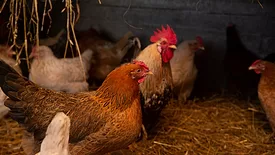
A recent study showed the high prevalence of Campylobacter in Nigeria with poultry as the primary reservoir, carrying significant food safety implications, and highlighting the importance of controlling the pathogen from a One Health perspective.
Among recommended measures are setting national targets to curtail antibiotic use and implementing surveillance systems that show how antibiotics are actually used on U.S. farms and feedlots.
A study has validated and verified two gas-phase hydroxyl radical processes for inactivating Salmonella and several avian pathogens on poultry hatchery eggs without affecting the egg hatch rate or development of hatched chicks, providing a viable alternative to traditionally used, hazardous and toxic formaldehyde treatments.