In a new scientific opinion, the European Food Safety Authority (EFSA) says the risk of highly pathogenic avian influenza H5N1 (HPAI H5N1) spreading from U.S. dairy cattle to Europe is very low, but still stresses preparedness and heightened surveillance.
In a retrospective analysis of two Listeria monocytogenes outbreaks linked to packaged salads, CDC epidemiologists underline key learnings and suggest proactive measures for industry.
From food additive bans and obligatory food packaging changes to consumer right-to-know laws and labeling requirements, keeping abreast of the flurry of legislative and policy activity that is impacting the food industry may seem like an impossible task. This article discusses what you need to know and how best to prepare for upcoming food safety changes.
This episode of Food Safety Five discusses scientific recommendations around ultra-processed food (UPF) definitions and policy, a study demonstrating the antimicrobial efficacy of common sanitizers in potato wash water, and a review outlining the food safety risks of edible flowers. Also discussed are regulatory and standards developments in the U.S., EU, and at the international level.
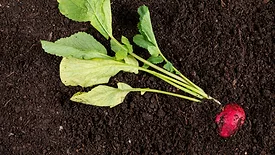
Researchers with the Connecticut Agricultural Experiment Station have demonstrated that the use of iron-fortified hemp biochar made from agricultural waste can significantly reduce the amount of toxic PFAS “forever chemicals” taken up by food crops grown in contaminated soil.
The Compact Integrated Xenon Lamp (CIXL) from XENON Corporation is a fully integrated, plug-and-play system that delivers pulsed light—a technology that provides food processors with a non-chemical method for pathogen control on food contact materials and food packaging.
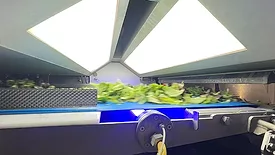
The new COMPASS optical sorter from Key Technology combines high-performance foreign material contamination detection and removal with gentle, hygienic product handling to help processors enhance food safety and operational efficiency.
A new USDA study suggests that the “green,” biodegradable enzyme ficin can improve the efficacy of conventional sanitizers when used as a pre-treatment in egg processing environments, reducing the contact time and sanitizer concentration required to achieve Salmonella biofilm inactivation.
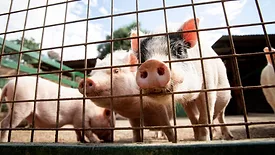
A study used machine learning to analyze WGS data for Salmonella isolates from ten European nations. The findings reveal that poultry and pigs remain the dominant sources of human salmonellosis. Notable cross-border transmission underscores the need for internationally harmonized control strategies.
In processing operations for dairy and low-moisture foods, specialized sanitation and environmental monitoring programs are paramount to securing food safety and hygienic operation of facilities.
 RSS
RSS