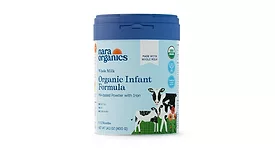
For a time, ByHeart Nutrition and Nara Organics both used Organic West milk dried by Dairy Farmers of America in their infant formula products (confirmed by Food Fix). Both brands have been implicated in botulism outbreaks that occurred within months of each other.
New ByHeart-commissioned research suggests that sulfite-reducing clostridia (SRC) enumeration, the “gold-standard” test for C. botulinum in powdered infant formula, which was used by Nara Organics prior to the ongoing outbreak, is insufficient. Experts who spoke to Food Safety Magazine agree C. botulinum should be considered as a foreseeable hazard requiring specific preventive controls.
Three babies in three states have been sickened in the second infant botulism outbreak identified since late-2025. All patients were fed Nara Organics Whole Milk Infant Formula. A recall has been issued, and product testing is underway.
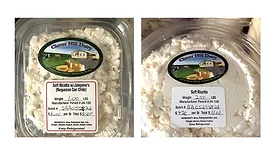
The now-recalled requeson cheese was produced by Maryland-based Clover Hill Dairy. Patients have been identified in New York, Maryland, and Virginia, with the earliest illness occurring in early 2023 and the most recent in May 2026.
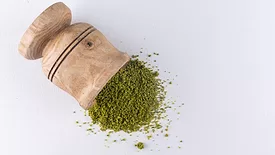
The agency has also reopened a previously closed Salmonella outbreak investigation linked to powdered moringa supplements, with 22 new reported illnesses in four additional states.
The update to the all-in-one food safety, quality, traceability, and compliance platform is designed to strengthen how food companies prepare for audits, verify traceability systems, and respond to potential recall events.
Improvements in national food safety infrastructure by the 17 countries included in the analysis would cost an estimated $492 million USD over ten years, but would avert 19 million cases of foodborne illness and 13,000 associated deaths, generating a value of $23 billion.
At the upcoming 49th Session of the Codex Committee on Food Labeling (CCFL49), CCFL will consider draft guidelines on applying food labeling provisions during emergencies. Infant and maternal health groups oppose these guidelines, saying they could harm vulnerable populations.
The outbreak strain of Salmonella Bochum is extremely rare. Children and adolescents aged 2–15 years represent 75 percent of outbreak patients. Patient interviews and a case-control study point to a certain brand of chocolate-hazelnut spread as the vehicle of illness.
During its investigation of an ongoing Escherichia coli O157:H7 outbreak involving Raw Farm-brand unpasteurized cheddar cheese, FDA detected E. coli in a product sample not matching the current outbreak strain, but instead matching a strain from a different 2025 outbreak.
 RSS
RSS