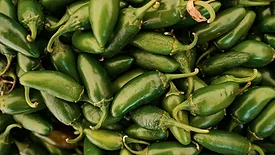
The fast-casual Mexican-style restaurant chain has pulled the jalapeños from its restaurants and replaced them with product from different growers, out of "an abundance of caution."
Michigan and Ohio recently updated their case counts in a massive Cyclosporacayetanensis outbreak, bringing state-reported totals for all 50 states to at least 21,775 cases. Michigan also reported two deaths tied to the outbreak.
Science and decision-making rarely operate on the same timeline. While scientists continue evaluating new evidence, people across the food system are making decisions based on the best information available at that moment. This creates a natural tension, as the ongoing Cyclospora outbreak investigation has demonstrated
The UK Food Standards Agency (FSA) attributed the increase to growing food systems complexity driven by global supply chains, cross-border distribution, and online marketplaces.
Democratic Ranking Member Rep. Robert Garcia cited media reports about alleged private meetings between Taylor Farms and White House and FDA officials, the company’s donations to Trump PACs ahead of the Food Traceability Rule delay, and its “contradictory and confusing” public statements about the cyclosporiasis outbreak.
Following the global infant formula recall linked to cereulide contamination, Elena Medo discusses vulnerabilities in infant formula supply chains, infant-specific food safety risks, surveillance gaps, donor milk safety, and the lessons regulators and manufacturers can take away from this unprecedented event.
Patients have fallen ill in 17 states, with 26 hospitalizations. Laboratory, epidemiological, and traceback investigations point to eggs produced by Texas-based Midwest Poultry Services as the likely vehicle of illness.
At least 1,947 people infected with Cyclospora who had exposure to Taco Bell have been reported in nine states. Michigan and Ohio are together reporting more than 10,000 cyclosporiasis cases. FDA is investigating three other outbreak clusters.
By the same time last year, CDC had only reported 249 confirmed, domestically acquired Cyclospora infections across the entire U.S. States’ reports may include both probable and confirmed cases.
In this bonus episode of Food Safety Matters, we speak to NomadX CEO Lyle Probst about developments in pathogen detection, artificial intelligence, and industry mindsets are shaping the future of food safety management and incident response.
 RSS
RSS







.webp?height=168&t=1691503719&width=275 "FoodSafetyMattersFinal-900x550-(002).jpg")