The platform was developed to address limitations of earlier DNA barcoding methods by using species-targeted genomic approaches, authenticated reference materials, and analytical systems designed specifically for commercial botanical products.
According to the company, the GENE-UP TYPER SLM assay specifically targets S. enterica, the subspecies most commonly associated with human salmonellosis and foodborne illness.
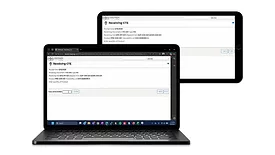
The new tools include a Documents API, a Record Attachments API, and Power BI Connector v3.1.0. The additions are intended to reduce manual data handling and improve information-sharing between SafetyChain and external platforms.
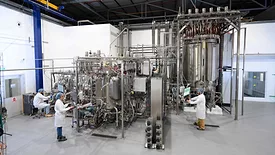
The companies are assessing the effects of controlled light exposure during fermentation on the growth and characteristics of coffee cell cultures. Coffee cell culture may offer an alternative production pathway that is less dependent on agricultural growing conditions.
Each operating company retains its name, people, customer relationships, and local presence while gaining access to shared resources, broader sourcing strength, operational support, and additional capabilities.
Four European research and innovation projects—SecureFood, EFF-CoP, ACT4FOOD, and DEFENSEFOOD—will host a joint webinar on July 3, titled, "Advancing Food System Security: From Early Signals to Systemic Resilience.”
The Partnership for Food Safety Education is offering resources to help families, educators, and community leaders prevent foodborne illness during America 250 celebrations through simple, science‑based steps.
The accreditation from COFRAC, France’s sole national accreditation body, covers inspections to assess food safety and quality practices at food retail establishments.
The app-based STEPLogic Tracker is purpose-built for mid-sized food manufacturers and supports industry compliance with FDA’s Food Traceability Rule/FSMA 204.
The knowledge paper, titled, “The Future of Food Safety,” was developed in partnership with a top FAO food safety official and written by a former Codex Chair.
 RSS
RSS