 RSS
RSS

Food Safety Strategies
FSMA Update for 2018
The next set of deadlines for the Food Safety Modernization Act concentrate on prevention throughout the whole supply chain.
Read More


Research illustrates trust deficit in agriculture, food processing
When it comes to trust, federal regulatory agencies rank eighth and food companies rank last on a list of 11 choices.
Read More
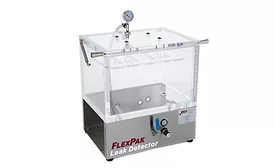

Food Safety
Prerequisite programs ensure food safety
A regulatory shift that happened years ago remains a key part of food safety management today.
Read More



Formulating and Fortifying with Proteins
Presenters at Prepared Foods' R&D Seminars discussed the various ways foods and beverages can be fortified with ingredients that improve their functional characteristics and meet consumers' ever-growing protein needs.
Read More
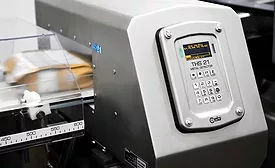
Selecting the right inspection and detection equipment for snack and bakery operations
Refinements to inspection and detection equipment boost production safety and quality.
Read More



Biscuits recalled due to potential Listeria contamination
Frozen biscuits were distributed to retail stores
Read More
