Knowledge of how attacks occur, new tools coming on the scene, and long-term investments in cybersecurity can all help processors stand a better chance of keeping their plants safely up and running.
The global sanitary food and beverage packaging market is likely to grow at a CAGR of nearly 6% during the forecast period 2017-2021, according to Future Market Insights (FMI). Increasing emphasis on maintaining food safety during the supply chain is promoting investments by manufacturers.
According to the U.S. Environmental Protection Agency's Energy Star program, the domestic baking industry consumes an estimated $800 million worth of purchased fuels and electricity per year, as noted in its guide, "Energy Efficiency Improvement and Cost Saving Opportunities for the Baking Industry" (Nov. 2016 update, available on www.energystar.gov).
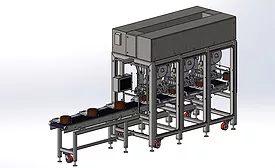
Automation, advances in sanitary design, greater worker safety and additional flexibility in packaging have been among the top requests that manufacturers of cutting, slicing and portioning equipment say they've been fielding from their customers this year.
The global ready meals market is expected to grow due to increasing advancement in the packaging industry. Demand for food that is additive-free, minimally processed and with extended shelf life is expected to drive the market.
Ever since Frank Yiannas of Walmart's Food Safety Leadership published his insightful book "Food Safety Culture" in 2008, the food and beverage industry has embraced the reality that having a strong food safety culture is essential for success.
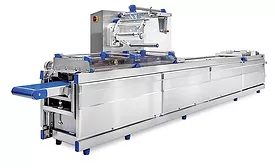
The latest form/fill/seal (FFS) packaging systems are designed to accommodate a wide range of packaging options at high speeds while ensuring food safety via sanitary design. The systems combine flexibility and automation, as they often need to pack different products on the same line. In addition, new designs enable quick changeover.
A new technology dramatically reduces product effect and minimizes false rejects, thus reducing the risk that clean product will be rejected and wasted, and preventing contaminated products from reaching the market.
 RSS
RSS