Staying in compliance with food laws and avoiding food safety incidents requires more than ticking compliance boxes—it demands a strategic investment in people.
The August 26 event will address high-value AI use cases, lessons learned from implementation efforts, and organizational, technical, and workforce considerations that can influence successful adoption.
Potential uses include pathogen and chemical hazard detection, food fraud identification, outbreak surveillance, risk forecasting, and regulatory decision-making. Barriers to wider adoption remain, such as data quantity, quality, and accessibility; confidentiality; and transparency.
In this bonus episode of Food Safety Matters, we speak to USDA's Under Secretary for Food Safety, Dr. Mindy Brashears,
and Administrator USDA-FSIS, Dr. Justin Ransom, about the future of food safety oversight at the agency, its emerging Salmonella strategy, evolving approach to Listeria control, the creation of a new scientific advisory panel, and the use of data, AI, and other technologies for inspection and risk identification.
Organized by a team from Wageningen University and Research, the inaugural AI for Food Safety Conference (AIFS) is set to take place on April 8–9, 2027 in Ede, the Netherlands.
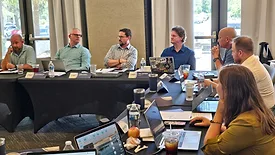
At a Food Safety NEXT Industry Roundtable on June 25, senior business leaders came together to share, collaborate, and innovate meaningful improvements for supply chain risk management using enterprise AI. Food Safety Magazine is the exclusive media partner for Food Safety NEXT.
Central to the strategy are food industry-specific tools designed to support product development, regulatory compliance, traceability, and commercialization for food and beverage companies.
AI has moved into food safety programsfaster than policies, procedures, and comfort levelscan adapt. The gap between what organizations say and what people doregarding AI use is one of the most interesting—and potentially risky—signals from this Food Safety Insights survey.
Staying in compliance with food laws and avoiding food safety incidents requires more than ticking compliance boxes—it demands a strategic investment in people.
AI is no longer just a tool to be adopted; it is a national and business security domain that must be secured if food corporations intend to remain in business
AI-enhanced biosurveillance, integrated sensor networks, and intelligent analytics have been framed as critical enablers of safer, more efficient food systems. At the same time, the field has begun to acknowledge that the same tools that drive efficiency and predictive power can also be turned against the food system itself.