Food Standards Scotland (FSS) has outlined its plans to reduce foodborne illness over the next three years, prioritizing Campylobacter, Listeria monocytogenes, and Shiga toxin-producing Escherichia coli, as well as its related research objectives.
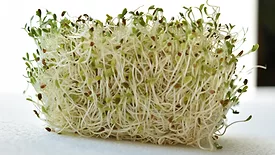
Outbreak strains include STEC serotypes O26:H11, O103:H25, and O168:H8 and one strain of Salmonella Agona. Some people were infected with more than one outbreak strain. The implicated products were distributed by Everything Sprouts LLC of Minneapolis, Minnesota.
UKHSA said the relatively stable number of STEC notifications in 2025 marked a departure from the steady annual increases observed since 2021, when larger outbreaks contributed substantially to case counts.
In 2025, a genetically unique hybrid STEC/STEC strain was the cause of a foodborne illness outbreak that affected exclusively adults, with 90 percent of patients developing hemolytic uremic syndrome (HUS) and three deaths occurring.
This article examines the frequent contamination of fresh produce (e.g., cucumber and sprouts due to recent outbreaks linked to these foods) with Salmonella and Shiga toxin-producing Escherichia coli.
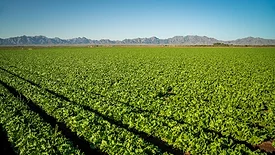
The California Longitudinal Study, a five-year environmental study of California’s Central Coast produce-growing region, identified wildlife, livestock, and surface water as potential contributors to the persistence and movement of Shiga toxin-producing Escherichia coli (STEC).
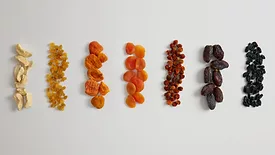
The STEC O26:H11 outbreak sickened 40 people and resulted in 19 cases of hemolytic uremic syndrome (HUS) in children. Dried fruit was the probable vehicle of illness. Researchers underlined the importance of a weight-of-evidence approach in the outbreak investigation.
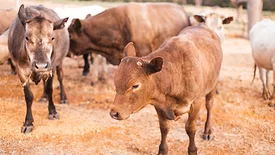
University of Georgia researchers conducted a review to compile and communicate best practices for reducing the spread of foodborne pathogens among beef cattle herds prior to processing, with a focus on Shiga toxin-producing Escherichia coli.
According to the newly published European Union One Health 2024 Zoonoses Report, the number of foodborne illnesses and outbreaks reported in the EU are on an upward trend. Notably, listeriosis cases with severe outcomes have risen.
In August, an outbreak of Shiga toxin-producing Escherichia coli O:157 (STEC) infections at Belgian long-term care facilities sickened more than 70 people, resulting in nine deaths. Raw ground beef is the probable vehicle of illness.