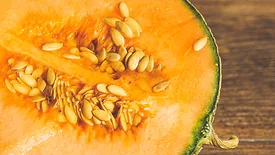
A CDC analysis of multistate foodborne illness outbreak investigation data for 2023 reveals the foods and pathogens that caused the greatest number of outbreaks and illnesses. A single salmonellosis outbreak linked to cantaloupe accounted for 407 illnesses.
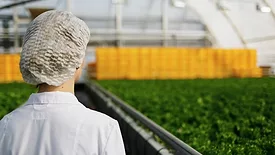
England saw a 26 percent rise in Shiga toxin-producing Escherichia coli (STEC) infections from 2023 to 2024, and non-O157 STEC cases tripled since 2019. These trends may be driven by one foodborne illness outbreak involving contaminated salad leaves.
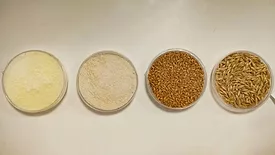
A laboratory study and large-scale commercial wheat mill trial demonstrated that a bacteriophage cocktail can significantly reduce Shiga toxin-producing Escherichia coli (STEC) O157:H7 contamination throughout milling operations without affecting the baking qualities of flour.
In England, cases of both Campylobacter and Salmonella infection increased by 17.1 percent from 2023 to 2024—the highest rates seen in a decade—according to the latest UK Health Security Agency (UKHSA) annual data.
Development of a new microbiological risk assessment model, led by researchers from the University of Illinois Urbana-Champaign, could help the produce industry determine the best risk management strategies for a diverse range of production scenarios.
The EU One Health Zoonoses Report for 2023 shows that foodborne illnesses are rising in the EU, with listeriosis cases reaching their highest levels since 2007. Campylobacter, Salmonella, and Shiga toxin-producing Escherichia coli (STEC) caused the greatest number of illnesses in 2023.
A recent survey of raw flour and flour-based foods conducted by the UK Health Security Agency (UKHSA) found a low incidence of Salmonella and Shiga toxin-producing Escherichia coli (STEC) among sampled products. Whole genome sequencing revealed a link between a Salmonella isolate from a sample and a human illness.
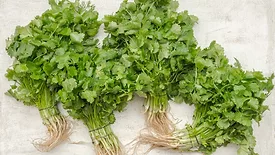
The U.S. Food and Drug Administration (FDA) has published the results of a sampling and testing assignment to determine the prevalence of Cyclospora cayetanensis, Salmonella, and Shiga toxin-producing Escherichia coli (STEC) in cilantro, parsley, and basil.
bioMérieux's GENE-UP® Pathogenic Escherichia coli assay has been selected by the U.S. Department of Agriculture’s Food Safety and Inspection Service’s (USDA’s FSIS’) Field Service Laboratories as the primary method for Shiga toxin-producing E. coli (STEC) detection.