In this episode of Food Safety Matters, we speak to food science and packaging expert Dr. Claire Sand about the regulatory, sustainability, and technical considerations for food companies regarding chemicals of concern in packaging, and what the future of food packaging might look like.
Sabert Corporation Europe has launched a line of fully home compostable and recyclable foodservice packaging that is free from intentionally added per- and polyfluoroalkyl substances (PFAS) and compliant with forthcoming EU sustainability regulations.
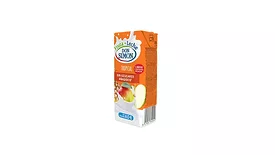
Tetra Pak has unveiled the first-ever use of its paper-based barrier technology for a juice packaging application by García Carrión. The Tetra Brik Aseptic Slim Leaf carton comprises 92 percent renewable materials and reduces carbon footprint by 43 percent.
Polyethylene terephthalate (PET) is not flawless; no packaging material is. However, its long safety record, rigorous regulatory oversight, and strong sustainability profile make it a material worth defending.
EcoBio Barrier Paper is a recyclable, repulpable, and biodegradable option for moisture-proof and greaseproof packaging. It is made without intentionally added plastics, per- and polyfluoroalkyl substances (PFAS), or fluorochemicals.
Regulation (EU) 2025/40, also known as the Packaging and Packaging Waste Regulation, limits per- and polyfluoroalkyl substances (PFAS) in food packaging, bans single-use plastics for most produce, sets requirements for single-use containers in foodservice, and makes other changes to EU plastic food packaging rules.
In collaboration with supply chain partners, ExxonMobil has successfully helped develop a recyclable MDO-PE//PE laminate, suitable for a variety of foods and liquids.
The European Parliament and Council have reached a provisional agreement on the Packaging and Packaging Waste Regulation (PPWR), which, if ratified, would require all packaging used in the EU to be recyclable, set restrictions on plastic packaging, and ban the use of toxic PFAS in food contact packaging.
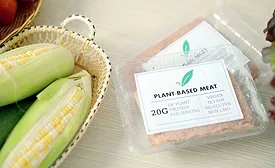
New microbial and chemical risks come with the greater incorporation of plant-based raw materials into human diets and the introduction of reusable packaging
The added microbial risks that come with eating more plant-based foods can usually be mitigated by adjusting recipes or process parameters, although hazard considerations regarding the chemical safety of a diet richer in plant-based materials is more complex. Also, introducing reusable packaging may come with its own set of issues.