Going beyond the “ultra-processed foods” debate, the proposal, submitted by observer organization IFT, asks Codex to develop a framework to discern which foods are promoting chronic disease risk from those that are not, building upon existing Codex food categories and risk analysis methods.
JEMRA convened in June to review the latest scientific evidence on microbiological hazards that have recently been associated with public health events due to the contamination of powdered infant formula or its ingredients.
The 102nd meeting of the Joint FAO/WHO Expert Committee on Food Additives (JECFA) took place in June 2026 in Nanjing, China. Key outcomes included the establishment of new, temporary acceptable daily intakes (ADIs) for two substances.
The plan establishes the Codex Alimentarius Commission’s priorities for the next six years to strengthen the development of international food safety and quality standards while considering evolving and emerging global challenges.
Other standards adopted during the 49th Session of the Codex Alimentarius Commission (CAC49), taking place July 6–10 in Geneva, Switzerland, relate to controlling Salmonella and Campylobacter in chicken and Listeria monocytogenes in RTE foods, revisions to food additive use levels, and more.
Following the release of WHO’s new foodborne disease burden estimates and relating to the 2026 World Food Safety Day theme, “From Burden to Solutions—Safe Food Everywhere,” FAO and WHO are highlighting how Codex Alimentarius standards and related work help prevent foodborne disease.
Ahead of World Food Safety Day, FAO and WHO have introduced a Food Safety Roadmap Development Tool and an online learning course on Codex-aligned risk assessments, supporting competent authorities and other stakeholders seeking to utilize science and data to improve national food safety systems.
FAO, WHO, and the Codex Coordinating Committees for Africa and the Near East led a training with more than 350 participants from the Africa, Near East, and Eastern Mediterranean regions, focused on participation in Codex standard-setting work.
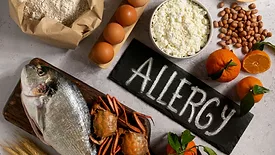
During the 49th Meeting of the Codex Committee on Food Labeling (CCFL49), guidelines on risk-based precautionary allergen labeling, labeling for multipack foods, and emergency flexible labeling were recommended for adoption. CCFL also declined a proposal to initiate work related to ultra-processed foods.
At the upcoming 49th Session of the Codex Committee on Food Labeling (CCFL49), CCFL will consider draft guidelines on applying food labeling provisions during emergencies. Infant and maternal health groups oppose these guidelines, saying they could harm vulnerable populations.