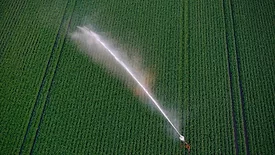
A new study assessed the efficacy of a commercial lytic bacteriophage cocktail as a preharvest agricultural water treatment against Salmonella Infantis, and found modest but consistent pathogen reductions across diverse water conditions.
New research has demonstrated a low overall prevalence of Campylobacter on retail chicken meat; however, recovered C. jejuni strains did not match known poultry-associated genotypes, suggesting the need for sensitive detection methods and expanded genomic surveillance.
A recent study investigating Listeria monocytogenes in South Korea’s beef supply chain revealed the presence of the pathogen exclusively in retail product samples, underscoring the importance of strict food safety controls post-harvest. The strains isolated were hypervirulent and stress-adapted.
A recent study investigating biofilms in water hoses used in a meat processing facility revealed widespread microbial colonization, reaffirming concerns about hoses as reservoirs for pathogens, and underscoring the need for routine monitoring and maintenance of water delivery systems.
The Trivalent Salmonella Conjugate Vaccine (TSCV), which simultaneously addresses typhoid fever and foodborne illness caused by non-typhoidal Salmonella enterica, elicited strong immune response in 100 percent of participants in the randomized, placebo-controlled clinical trial.
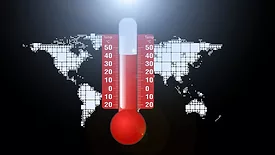
An updated literature review from the Scientific Committee of the Spanish Agency for Food Safety and Nutrition (AESAN) summarizes the effects of climate change on foodborne pathogens, and how strengthening surveillance and investing in control technologies can address the growing risks.
Research from the University of Plymouth has demonstrated the ability of nanoplastics to infiltrate the edible radish root, which raises questions about the food safety and public health implications of dietary exposure to plastics.
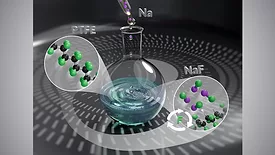
The advancement not only supports the recycling of “forever chemical” polymers—which are used on cookware and food packaging, for example—but also boasts high recovery of fluorine, a finite resource.
A University of Missouri research project is exploring the use of blockchain for improved traceability of food served at restaurants, and increased transparency for diners. The findings suggest that clear traceability information would increase consumers’ confidence in food safety.
The research can serve as a foundation for updating or developing new Restricted Substances Lists to mitigate potential risks to human and environmental health posed by hazardous chemicals used food contact materials.