Food Safety
search
Ask Food Safety AI
cart
facebook twitter linkedin
  • Sign In
  • Create Account
  • Sign Out
  • My Account
Food Safety
  • NEWS
    • Latest News
    • White Papers
  • PRODUCTS
  • TOPICS
    • Contamination Control
    • Food Types
    • Management
    • Process Control
    • Regulatory
    • Sanitation
    • Supply Chain
    • Testing and Analysis
  • PODCAST
  • EXCLUSIVES
    • Food Safety Five Newsreel
    • eBooks
    • FSM Distinguished Service Award
    • Interactive Product Spotlights
    • Videos
  • BUYER'S GUIDE
  • MORE
    • ENEWSLETTER >
      • Archive Issues
      • Subscribe to eNews
    • Store
    • Sponsor Insights
    • ASK FSM AI
  • WEBINARS
  • FOOD SAFETY SUMMIT
  • EMAG
    • eMagazine
    • Archive Issues
    • Editorial Advisory Board
    • Contact
    • Advertise
  • SIGN UP!
Contamination ControlFood TypeMicrobiologicalProduceReady-to-eat

Ensuring Food Safety of RTE Produce Through a One Health Perspective
By Food Safety Magazine Editorial Team
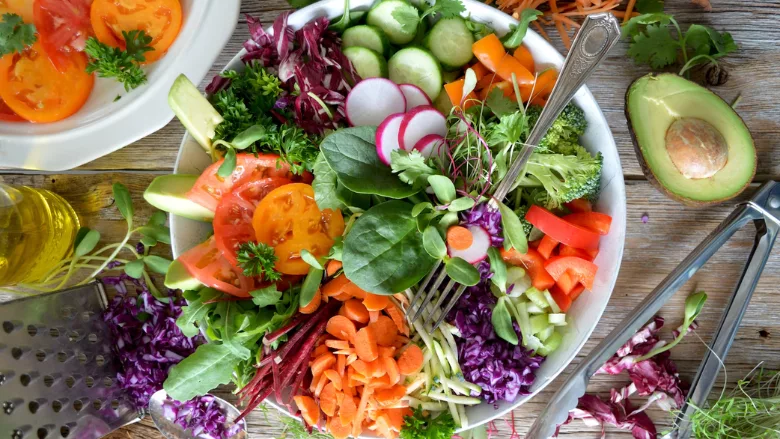
colorful bowl of salad

Image credit: Nadine Primeau via Unsplash

December 29, 2023

A recent study conducted by veterinary and agronomic researchers from Lusófona University in Portugal has provided a new One Health perspective on food safety in ready-to-eat (RTE) produce, with a focus on the challenges related to microbiological contamination in minimally processed fruits and vegetables. The study includes potential solutions to promote a more food-safe and healthy approach to fresh-cut fruits and vegetable production.

The importance of microbial food safety for RTE products like fresh-cut salads and fruits is crucial, given that these foods do not undergo heat treatment before consumption, especially as food markets and food production chains continue to experience exponential growth. However, the researchers express that much of the previous literature on foodborne illnesses associated with RTE produce often overlook transmission links from the initial contamination source.

According to the authors, the prevention and control of the spread of foodborne pathogens should be approached holistically, considering the entire farm-to-fork continuum, from agricultural production, processing, transport, food production, and extending to final consumption, all while adopting a One Health perspective. In this context, the researchers’ aim was to compile available information on the challenges related to microbiological contamination in minimally processed fruits and vegetables, including major reported outbreaks, specific bacterial strains, and associated statistics throughout the production chain, to address the sources of contamination at each stage, along with issues related to food manipulation and disinfection.

Contamination and Disinfection of Minimally Processed Produce

Contamination of produce can occur at various stages, during pre-harvest while the plant is in the field, at harvest, and in the post-harvest phase, encompassing transport, processing, and packaging. Main sources of microbiological contamination throughout the supply chain include soil, irrigation water, insects, and human handling.

Since minimally processed produce does not undergo heat treatment that would eliminate pathogens, spores, and toxins, the sanitation and disinfection stage is particularly critical for these commodities. At present, the predominant disinfection methods involve the application of chlorine-based disinfectants; however, the researchers state that this practice can pose risks to human health by generating carcinogenic compounds, and it is also not highly effective, as the impact of such disinfectants diminish, allowing surviving bacterial populations to multiply more rapidly than those on non-disinfected products.

Other chemical methods of disinfection that are emerging and show promise include chlorine dioxide, organic acids, hydrogen peroxide, electrolyzed water, ozonated water, and calcium-based solutions. However, these solutions result in the significant reduction of native microbial populations on produce, which, by decreasing competition for space and nutrients, may potentially result in a subsequent increase in the growth of pathogenic microorganisms. Physical methods of disinfection and preservation also exist, such as onizing radiation, ultraviolet (UV) treatment, infrared treatment, modified atmosphere packaging (MAP), or combinations such as ultrasound with ε-polylysine. These methods come with their own unique practical challenges and limitations.

Looking for quick answers on food safety topics?
Try Ask FSM, our new smart AI search tool.
Ask FSM →

Possible Future Food Safety Solutions for Minimally Processed Produce

The researchers pose possible future solutions for ensuring the food safety and extending the shelf life of minimally processed produce, specifically natural disinfectants and smart packaging. As consumer preferences shift toward natural and minimally processed products with fewer chemical additives and extended shelf life, the use of synthetic antimicrobials is becoming more restricted due to potential toxicity concerns. Natural antibacterial compounds have emerged as a promising alternative, such as acetic acid, ascorbic acid, lactic acid, essential oils, cheese whey, and others.

Additionally, smart packaging, which integrates active and intelligent features to enhance food safety and quality, may use bioactive compounds such as essential oils in package coating, nanoencapsulation, and synergistic pairings with other antibacterial agents. Moreover, using materials with smart packaging properties, such as being impermeable to oxygen, light, moisture, and certain gases, contributes to minimizing spoilage by reducing microbial activity, with nanocomposite materials providing added resistance.

Overall, research on alternative disinfectants, innovative food processing models, and emerging topics like the microbiome hold significant importance and should be integrated into future food safety assessments. Ultimately, the researchers believe that the future of food safety in fresh produce hinges on holistic approaches that prioritize both health and safety, to deliver natural and wholesome food products.

Minimally Processed Produce in a One Health Context

The researchers emphasize that, in the era of globalization, food supply chains traverse multiple national borders, leading to the internationalization and amplification of health risks, and conventional approaches to food safety are rendered inadequate as food systems become more complex. Globalization has made food supply chains more complicated, which highlights the need for a comprehensive strategy to stop the spread of antibiotic resistance (AMR) and microbial pathogens in processed foods. This shared responsibility acknowledges the interdependence of the entire food chain, from farm-to-fork.

The food industry faces difficulties as a result of a complex global food system, such as lengthier supply chains that result in longer transit times and quality risks. The researchers stress that, to address rising food safety problems more comprehensively, foodborne illness outbreaks should be investigated cooperatively by the environmental, animal, and human health sectors, with a focus on One Health principles.

The One Health approach acknowledges the interconnectedness of health systems and emphasizes cross-sectoral collaboration. The lack of collaboration across the complete food production chain has hindered the identification of contamination sources and critical stages in the supply chain. Bridging farm-to-fork through a One Health approach, especially by leveraging genomics, should be pursued to address this gap by comprehensively linking animal, food, environment, and human aspects in food production chains.


KEYWORDS: disinfection one health study

Share This Story

Fsm purple logo 200x200

The Food Safety Magazine editorial team comprises Bailee Henderson, Digital Editor ✉; Adrienne Blume, M.A., Editorial Director; and Stacy Atchison, Publisher.

Recommended Content

JOIN TODAY
to unlock your recommendations.

Already have an account? Sign In

  • people holding baby chicks

    Serovar Differences Matter: Utility of Deep Serotyping in Broiler Production and Processing

    This article discusses the significance of Salmonella in...
    Meat/Poultry
    By: Nikki Shariat Ph.D.
  • woman washing hands

    Building a Culture of Hygiene in the Food Processing Plant

    Everyone entering a food processing facility needs to...
    Sanitation
    By: Richard F. Stier, M.S.
  • graphical representation of earth over dirt

    Climate Change and Emerging Risks to Food Safety: Building Climate Resilience

    This article examines the multifaceted threats to food...
    Best Practices
    By: Maria Cristina Tirado Ph.D., D.V.M. and Shamini Albert Raj M.A.
Manage My Account
  • eMagazine Subscription
  • Subscribe to eNewsletter
  • Manage My Preferences
  • Website Registration
  • Subscription Customer Service

More Videos

Sponsored Content

Sponsored Content is a special paid section where industry companies provide high quality, objective, non-commercial content around topics of interest to the Food Safety Magazine audience. All Sponsored Content is supplied by the advertising company and any opinions expressed in this article are those of the author and not necessarily reflect the views of Food Safety Magazine or its parent company, BNP Media. Interested in participating in our Sponsored Content section? Contact your local rep!

close
  • Salmonella bacteria
    Sponsored byThermoFisher

    Food Microbiology Testing Methods: Salmonella species

  • a diagram explaining indicator organisms
    Sponsored byHygiena

    How Proactive Listeria Testing Helps Prevent Six- and Seven-Figure Recalls

  • woman grocery shopping
    Sponsored byCorbion

    Designing Safety Into Every Bite: Proactive Risk Mitigation for Refrigerated Foods

Popular Stories

NRTE breaded stuffed chicken

USDA Indefinitely Delays Enforcement of Salmonella as Adulterant in Raw Breaded, Stuffed Chicken

digital map of europe

EU Publishes Food Fraud Tool Mapping Thousands of Cases Since 2016

non-conforming product

How to Handle Non-Conforming Product

Events

December 11, 2025

How to Develop and Implement an Effective Food Defense Strategy

Live: December 11, 2025 at 2:00 pm EDT: From this webinar, attendees will learn common areas where companies encounter challenges in their food defense strategies and how to address them.

May 11, 2026

The Food Safety Summit

Stay informed on the latest food safety trends, innovations, emerging challenges, and expert analysis. Leave the Summit with actionable insights ready to drive measurable improvements in your organization. Do not miss this opportunity to learn from experts about contamination control, food safety culture, regulations, sanitation, supply chain traceability, and so much more.

View All

Products

Global Food Safety Microbial Interventions and Molecular Advancements

Global Food Safety Microbial Interventions and Molecular Advancements

See More Products

Related Articles

  • wild boar

    The State of Foodborne Pathogen Surveillance in Europe Through a One Health Lens

    See More
  • US Service Members

    Ensuring the Safety and Quality of RTE Meals for U.S. Service Members

    See More
  • globe and foodstuff

    Analysis Shows Mycotoxins, Pesticides are Underrepresented in One Health Food Safety Research

    See More

Related Products

See More Products
  • 9781498721776.jpg

    Handbook of Food Processing: Food Safety, Quality, and Manufacturing Processes

  • 1444333348.jpg

    Handbook of Food Safety Engineering

  • 1119053595.jpg

    Food Safety for the 21st Century: Managing HACCP and Food Safety throughout the Global Supply Chain, 2E

See More Products

Events

View AllSubmit An Event
  • December 4, 2025

    Beyond Detection: How Integrated PCR Diagnostics Strengthen Food Safety in RTE Manufacturing

    On Demand: From this webinar, attendees will learn best practices for prevention of FM contamination at the corporate and plant levels.
View AllSubmit An Event

Related Directories

  • Saldesia "Goddess of Food Safety"

    Saldesia is a distributor of Food Safety products and solutions. We are focused on supplying the Quality, Production, Safety and Sanitation departments. Product lines include Color Coded, Metal Detectable, Antimicrobial Flooring & Mats, Workwear, Footwear, Spray Nozzles, and more!
  • Michigan State University Online Food Safety Program

    MSU's Online Food Safety program strives to educate professionals on how to make global food systems safe. The program consists of a master’s degree and graduate certificate, both entirely online. Each program will provide students with applicable knowledge to navigate the ever-changing concerns surrounding food safety, food protection, and public health.
×

Never miss the latest news and trends driving the food safety industry

eNewsletter | Website | eMagazine

JOIN TODAY!
  • RESOURCES
    • Advertise
    • Contact Us
    • Directories
    • Store
    • Want More
  • SIGN UP TODAY
    • Create Account
    • eMagazine
    • eNewsletter
    • Customer Service
    • Manage Preferences
  • SERVICES
    • Marketing Services
    • Reprints
    • Market Research
    • List Rental
    • Survey/Respondent Access
  • STAY CONNECTED
    • LinkedIn
    • Facebook
    • Instagram
    • X (Twitter)
  • PRIVACY
    • PRIVACY POLICY
    • TERMS & CONDITIONS
    • DO NOT SELL MY PERSONAL INFORMATION
    • PRIVACY REQUEST
    • ACCESSIBILITY

Copyright ©2025. All Rights Reserved BNP Media.

Design, CMS, Hosting & Web Development :: ePublishing