Food Safety
search
Ask Food Safety AI
cart
facebook twitter linkedin
  • Sign In
  • Create Account
  • Sign Out
  • My Account
Food Safety
  • NEWS
    • Latest News
    • White Papers
  • PRODUCTS
  • TOPICS
    • Contamination Control
    • Food Types
    • Management
    • Process Control
    • Regulatory
    • Sanitation
    • Supply Chain
    • Testing and Analysis
  • PODCAST
  • EXCLUSIVES
    • Food Safety Five Newsreel
    • eBooks
    • FSM Distinguished Service Award
    • Interactive Product Spotlights
    • Videos
  • BUYER'S GUIDE
  • MORE
    • ENEWSLETTER >
      • Archive Issues
      • Subscribe to eNews
    • Store
    • Sponsor Insights
    • ASK FSM AI
  • WEBINARS
  • FOOD SAFETY SUMMIT
  • EMAG
    • eMagazine
    • Archive Issues
    • Editorial Advisory Board
    • Contact
    • Advertise
  • SIGN UP!
NewsFood TypeRegulatoryAlternative ProteinsMeat/PoultryFDA

FDA Approves Pork from WSU Gene-Edited Pigs for Human Consumption

farmed pigs

Credit: Emmanuel Eigege via Unsplash

May 2, 2023

The U.S. Food and Drug Administration has authorized meat from gene-edited pigs, produced by researchers at Washington State University (WSU), for human consumption. The gene-editing tool CRISPR is being used to modify genetic traits of the line of pigs.

The work is led by Jon Oatley, Ph.D., Associate Dean for Research for the College of Veterinary Medicine and tenured Professor in the School of Molecular Biosciences. He undertook the investigational food-use authorization process for five gene-edited pigs to demonstrate that food made from the animals is safe to eat and that it is possible for an academic institution to achieve this type of FDA authorization.

Gene-editing can achieve changes to an organism’s DNA that could occur in nature or through selective breeding but would take much longer without a tool like CRISPR, explains WSU. The FDA authorization is investigational, and limited to the particular line of pigs included in Dr. Oatley’s research, but shows that gene-editing livestock to quickly produce desirable traits for improved food production is possible.

The 2-year-old pigs were processed at the WSU Meat Lab, and the U.S. Department of Agriculture (USDA) inspected the meat. Working with the Meat Lab, meat scientist Blake Foraker, Ph.D. processed some of the pork into sausages, which will be used in catering services that raise travel funds for the student members of the WSU Meat Judging team.

The pigs were originally gene-edited in a way that would enable researchers to use them to sire offspring with traits from another male pig. Known as surrogate sires, this technology first gene-edits male animals to be sterile by knocking out a gene called NANOS2 that is specific to male fertility. These animals can then be implanted with another male’s stem cells that create sperm with that male’s desired traits to be passed on to the next generation.

Essentially a high-tech form of selective breeding, surrogate sire technology can expand dissemination of valuable genetics in livestock. It has the potential to improve meat quality and the health and resilience of livestock in the face of changing environmental conditions, which is a goal for increasing protein sources in developing nations.

The surrogate sires’ progeny, which are themselves not gene-edited, have not yet been reviewed by FDA for possible inclusion in the food chain. Securing the investigational approval for these five pigs required clearing a number of hurdles. FDA waives some fees for nonprofits like universities, but by the time the process was completed, Oatley’s team had spent two years and approximately $200,000 collecting data for this authorization.

Looking for quick answers on food safety topics?
Try Ask FSM, our new smart AI search tool.
Ask FSM →

Only one other organization, the company Acceligen, has received FDA approval for a gene-edited animal. In 2020, FDA made a low-risk determination for products made from “Slick-Haired Cattle” that are gene-edited to have coats that increase the animals’ resilience to higher temperatures. Other companies have received FDA approval for genetically-modified animals, but for transgenic approaches, which involves a different technology that inserts DNA from outside species into the genome of an organism.

Gene-editing is an emerging technology that works only within a species’ DNA and can make changes that could come about naturally or through traditional breeding practices. Dr. Oatley hopes his work will improve public perception of gene-edited foods.


KEYWORDS: CRISPR FDA gene editing genetically engineered foods pigs pork Washington State University

Share This Story

Recommended Content

JOIN TODAY
to unlock your recommendations.

Already have an account? Sign In

  • people holding baby chicks

    Serovar Differences Matter: Utility of Deep Serotyping in Broiler Production and Processing

    This article discusses the significance of Salmonella in...
    Food Type
    By: Nikki Shariat Ph.D.
  • woman washing hands

    Building a Culture of Hygiene in the Food Processing Plant

    Everyone entering a food processing facility needs to...
    Sanitation
    By: Richard F. Stier, M.S.
  • graphical representation of earth over dirt

    Climate Change and Emerging Risks to Food Safety: Building Climate Resilience

    This article examines the multifaceted threats to food...
    International
    By: Maria Cristina Tirado Ph.D., D.V.M. and Shamini Albert Raj M.A.
Manage My Account
  • eMagazine Subscription
  • Subscribe to eNewsletter
  • Manage My Preferences
  • Website Registration
  • Subscription Customer Service

More Videos

Sponsored Content

Sponsored Content is a special paid section where industry companies provide high quality, objective, non-commercial content around topics of interest to the Food Safety Magazine audience. All Sponsored Content is supplied by the advertising company and any opinions expressed in this article are those of the author and not necessarily reflect the views of Food Safety Magazine or its parent company, BNP Media. Interested in participating in our Sponsored Content section? Contact your local rep!

close
  • Salmonella bacteria
    Sponsored byThermoFisher

    Food Microbiology Testing Methods: Salmonella species

  • a diagram explaining indicator organisms
    Sponsored byHygiena

    How Proactive Listeria Testing Helps Prevent Six- and Seven-Figure Recalls

  • woman grocery shopping
    Sponsored byCorbion

    Designing Safety Into Every Bite: Proactive Risk Mitigation for Refrigerated Foods

Popular Stories

NRTE breaded stuffed chicken

USDA Indefinitely Delays Enforcement of Salmonella as Adulterant in Raw Breaded, Stuffed Chicken

non-conforming product

How to Handle Non-Conforming Product

spoonfuls of food ingredients

FDA’s Developing Rule to Tighten GRAS Oversight Moves to White House

Events

December 11, 2025

How to Develop and Implement an Effective Food Defense Strategy

Live: December 11, 2025 at 2:00 pm EDT: From this webinar, attendees will learn common areas where companies encounter challenges in their food defense strategies and how to address them.

May 11, 2026

The Food Safety Summit

Stay informed on the latest food safety trends, innovations, emerging challenges, and expert analysis. Leave the Summit with actionable insights ready to drive measurable improvements in your organization. Do not miss this opportunity to learn from experts about contamination control, food safety culture, regulations, sanitation, supply chain traceability, and so much more.

View All

Products

Global Food Safety Microbial Interventions and Molecular Advancements

Global Food Safety Microbial Interventions and Molecular Advancements

See More Products

Related Articles

  • DNA helixes with FDA logo overlay

    FDA Issues Guidance on Voluntary Premarket Engagement for Food Made From Genome-Edited Plants

    See More
  • FDA Logo

    FDA to hold public meetings to discuss draft guidance for industry on standards for the growing, harvesting, packing and holding of produce for human consumption

    See More
  • biologist holding red bell pepper in lab next to microscope

    New FDA Guidance Addresses Regulatory Review of Foods Produced from Genome-Edited Plants

    See More

Related Products

See More Products
  • food-safety-making.jpg

    Food Safety: Making Foods Safe and Free From Pathogens

  • 1119160553.jpg

    Food Safety: Innovative Analytical Tools for Safety Assessment

  • 1118396308.jpg

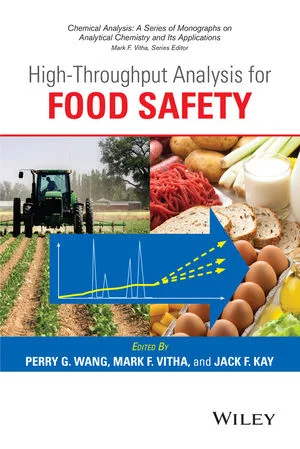
    High Throughput Analysis for Food Safety

See More Products

Related Directories

  • Plascon Group

    Plascon specializes in flexible packaging for the foodservice industry with BRCGS ‘AA’ Certification. We manufacture Cook Chill bags, Box Liners, Saftea Tea Urn Liners, HDPE, LLDPE, PE Blends, and Biodegradable films, bags, and liners which are all FDA approved for food packaging and storing.
×

Never miss the latest news and trends driving the food safety industry

eNewsletter | Website | eMagazine

JOIN TODAY!
  • RESOURCES
    • Advertise
    • Contact Us
    • Directories
    • Store
    • Want More
  • SIGN UP TODAY
    • Create Account
    • eMagazine
    • eNewsletter
    • Customer Service
    • Manage Preferences
  • SERVICES
    • Marketing Services
    • Reprints
    • Market Research
    • List Rental
    • Survey/Respondent Access
  • STAY CONNECTED
    • LinkedIn
    • Facebook
    • Instagram
    • X (Twitter)
  • PRIVACY
    • PRIVACY POLICY
    • TERMS & CONDITIONS
    • DO NOT SELL MY PERSONAL INFORMATION
    • PRIVACY REQUEST
    • ACCESSIBILITY

Copyright ©2025. All Rights Reserved BNP Media.

Design, CMS, Hosting & Web Development :: ePublishing