Food Safety
search
Ask Food Safety AI
cart
facebook twitter linkedin instagram youtube
  • Sign In
  • Create Account
  • Sign Out
  • My Account
Food Safety
  • NEWS
    • Latest News
    • Food Safety Five Newsreel
  • PRODUCTS
  • TOPICS
    • Contamination Control
    • Food Types
    • Management
    • Process Control
    • Regulatory
    • Sanitation
    • Supply Chain
    • Testing and Analysis
  • PODCAST
  • EXCLUSIVES
    • eBooks
    • Sponsored Insights
    • Sponsored White Papers
    • FSM Distinguished Service Award
    • Interactive Product Spotlights
    • Videos
  • MORE
    • BUYER'S GUIDE
    • NEWSLETTERS >
      • Archive Issues
      • Subscribe to eNews
    • Store
    • ASK FSM AI
  • WEBINARS
  • FOOD SAFETY SUMMIT
  • FSM FEATURES
    • FSM Features Collection
    • eMag Archives
    • Editorial Advisory Board
    • Contact
    • Advertise
  • SIGN UP!
NewsFood TypeRegulatorySupply ChainProduceInternational Standards/HarmonizationImports/Exports

Canada Restricts U.S. Romaine Lettuce Imports, Cites E. coli Concerns

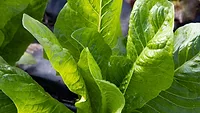
lettuce leaves

Credit: Pezibear via Pixabay

July 27, 2022

The Canadian Food Inspection Agency (CIFA) has implemented temporary Safe Food for Canadians (SFC) license conditions for romaine lettuce imports from the U.S. due to concerns about Escherichia coli O157:H7 contamination. SFC regulations require food businesses that import products, prepare food for export, or send food across provincial or territorial borders to have certain licenses and follow preventive food safety controls.

CIFA explained its decision by citing frequent foodborne illness outbreaks across North America that have been linked to romaine lettuce from the U.S. Specifically, CIFA points to the California Salinas Valley as a recurring source of E. coli outbreaks, including Santa Cruz, Santa Clara, San Benito, and Monterey counties.

The temporary SFC license conditions for the import of romaine lettuce originating from the U.S. will be in effect from September 28–December 22, 2022. Under the license conditions, importers of romaine lettuce or salad mixes containing romaine lettuce from the U.S. must 1) declare that the product does not originate from counties of Santa Cruz, Santa Clara, San Benito and Monterey in California’s Salinas Valley, or 2) submit an attestation form and Certificates of Analysis for each shipment to demonstrate that the romaine lettuce does not contain detectable levels of E. coli O157:H7.

Aside from meeting temporary license conditions, U.S. romaine lettuce importers must comply with other, relevant Canadian legislation. For example, lettuce grown in California and Arizona must be handled by a shipper that is a certified member of each state’s respective Leafy Greens Marketing Agreement (LGMA).


Update, July 26, 2023: CIFA has implemented an additional temporary condition to import licenses, which will require sampling and testing of some California romaine lettuce prior to import into Canada. The temporary condition will be required from September 28–December 20, 2023.

Looking for quick answers on food safety topics?
Try Ask FSM, our new smart AI search tool.
Ask FSM →


KEYWORDS: CFIA E. coli Leafy Greens Marketing Agreement (LGMA) romaine

Share This Story

Recommended Content

JOIN TODAY
to unlock your recommendations.

Already have an account? Sign In

  • people holding baby chicks

    Serovar Differences Matter: Utility of Deep Serotyping in Broiler Production and Processing

    This article discusses the significance of Salmonella in...
    Testing & Analysis
    By: Nikki Shariat Ph.D.
  • woman washing hands

    Building a Culture of Hygiene in the Food Processing Plant

    Everyone entering a food processing facility needs to...
    Training
    By: Richard F. Stier, M.S.
  • graphical representation of earth over dirt

    Climate Change and Emerging Risks to Food Safety: Building Climate Resilience

    This article examines the multifaceted threats to food...
    International
    By: Maria Cristina Tirado Ph.D., D.V.M. and Shamini Albert Raj M.A.
Manage My Account
  • eMagazine Subscription
  • Subscribe to Newsletters
  • Manage My Preferences
  • Website Registration
  • Subscription Customer Service

More Videos

Sponsored Content

Sponsored Content is a special paid section where industry companies provide high quality, objective, non-commercial content around topics of interest to the Food Safety Magazine audience. All Sponsored Content is supplied by the advertising company and any opinions expressed in this article are those of the author and not necessarily reflect the views of Food Safety Magazine or its parent company, BNP Media. Interested in participating in our Sponsored Content section? Contact your local rep!

close
  • Top view portrait of two factory workers standing by conveyor belt during quality inspection at food production, copy space
    Sponsored byFlexXray

    Foreign Material By the Numbers: What the 2026 Benchmark Report Reveals

  • a conveyorized industrial metal detector system that appears to resemble a Loma Systems IQ4 Metal Detector setup with an integrated conveyor belt and control panel for food or package inspection.
    Sponsored byMettler Toledo

    Beyond Detection: How to Avoid Physical Contamination in Food Through a Smarter Inspection Strategy

  • The image displays a bottling plant production line, commonly used in the beverage industry for filling and packaging soft drinks.
    Sponsored byBIOIONIX

    Sustainability with ROI: A Beverage Producer Case Study in Water Savings

Popular Stories

Farmer pouring raw milk into a container

Raw Milk Under the Microscope: Separating Safety Risks From Nutritional Claims

rangpur lime

Pathogens Found on Brazilian Citrus Fruit Present Emerging Food Safety Concerns

Managers discuss operations in canned fish production facility

Building Leadership Buy-In for Food Safety

allergens ebook

Events

October 15, 2026

How to Prevent Physical Contamination in Food Production and Strengthen Compliance

Live: October 15, 2026 at 2:00 pm EDT: Attend this webinar to gain insight into how product inspection helps protect your brand, reduce recall risk, and support compliance.

October 29, 2026

FDA Proposes Major GRAS Reform: What It Could Mean for Your Business

Live: October 29, 2026 at 2:00 pm EDT: Attend this webinar to examine potential implications for self-GRAS, Flavor and Extract Manufacturers Association (FEMA) GRAS, and food-contact substances.

View All

Products

Global Food Safety Microbial Interventions and Molecular Advancements

Global Food Safety Microbial Interventions and Molecular Advancements

See More Products

Related Articles

  • 14 Bottled Water Brands Recalled Due to E. coli Concerns

    See More
  • raw cut and whole yellow onions

    Major Chains Pull Onions Due to E. coli Concerns After Taylor Farms Confirmed as McDonald’s Supplier

    See More
  • leafy greens growing on the farm

    Half of Romaine Lettuce E. Coli Outbreaks Caused by Overhead Irrigation Water, Study Finds

    See More

Related Products

See More Products
  • 0813808774.jpg

    Improving Import Food Safety

  • 1118474600.jpg

    Practical Food Safety: Contemporary Issues and Future Directions

See More Products

Events

View AllSubmit An Event
  • November 20, 2025

    New U.S. Additive Bans: How to Prepare and Protect Your Brand

    On Demand: From this webinar, attendees will learn the impact of ingredient restrictions on product development, sourcing, labeling, and market access.
View AllSubmit An Event

Related Directories

  • BioSafe Systems

    BioSafe Systems is a leading U.S. manufacturer of peroxyacetic acid (PAA)-based solutions, delivering trusted food safety, water treatment, and processing solutions through clean chemistry and automated equipment. Our proven products help growers and processors control pathogens such as E. coli and Salmonella, reduce microbial risk, and improve efficiency across the fresh produce supply chain.
  • U.S. Packaging & Wrapping LLC

    Focused on customer packaging solutions, U.S. Packaging & Wrapping can assist with product preservation and protection. Sales staff can assist with modified atmosphere packaging, shrink wrapping, and safely securing pallet loads. Call to speak with a representative today.
×

Never miss the latest news and trends driving the food safety industry

Newsletters | Website | FSM Features Collection

JOIN TODAY!
  • RESOURCES
    • Advertise
    • Contact Us
    • Directories
    • Store
    • Want More
  • SIGN UP TODAY
    • Create Account
    • eMagazine
    • Newsletters
    • Customer Service
    • Manage Preferences
  • SERVICES
    • Marketing Services
    • Reprints
    • Market Research
    • List Rental
    • Survey/Respondent Access
  • STAY CONNECTED
    • LinkedIn
    • Facebook
    • Instagram
    • X (Twitter)
  • PRIVACY
    • PRIVACY POLICY
    • TERMS & CONDITIONS
    • DO NOT SELL MY PERSONAL INFORMATION
    • PRIVACY REQUEST
    • ACCESSIBILITY

Copyright ©2026. All Rights Reserved BNP Media, Inc. and BNP Media II, LLC.

Design, CMS, Hosting & Web Development :: ePublishing