Food Safety
search
Ask Food Safety AI
cart
facebook twitter linkedin instagram youtube
  • Sign In
  • Create Account
  • Sign Out
  • My Account
Food Safety
  • NEWS
    • Latest News
    • White Papers
  • PRODUCTS
  • TOPICS
    • Contamination Control
    • Food Types
    • Management
    • Process Control
    • Regulatory
    • Sanitation
    • Supply Chain
    • Testing and Analysis
  • PODCAST
  • EXCLUSIVES
    • Food Safety Five Newsreel
    • eBooks
    • FSM Distinguished Service Award
    • Interactive Product Spotlights
    • Videos
  • BUYER'S GUIDE
  • MORE
    • NEWSLETTERS >
      • Archive Issues
      • Subscribe to eNews
    • Store
    • Sponsor Insights
    • ASK FSM AI
  • WEBINARS
  • FOOD SAFETY SUMMIT
  • EMAG
    • eMagazine
    • Archive Issues
    • Editorial Advisory Board
    • Contact
    • Advertise
  • SIGN UP!

Danone, Mars, Nestlé, Unilever form Sustainable Food Policy Alliance

The four founding member companies collectively and voluntarily advance issues like sodium reduction, responsible marketing and transparency and reduce their impact on the planet, including cutting greenhouse gas emissions.

sustainability farm
July 12, 2018

Danone North America, Broomfield, Colo.; Nestlé USA, Arlington, Va.; Unilever, Englewood Cliffs, N.J.; and Mars, Inc., McLean, Va., launched the Sustainable Food Policy Alliance, a new organization focused on driving progress in public policies that shape what people eat and how it impacts their health, communities and the planet.

The four founding member companies collectively and voluntarily advance issues like sodium reduction, responsible marketing and transparency and reduce their impact on the planet, including cutting greenhouse gas emissions.

As the Sustainable Food Policy Alliance, member companies will prioritize U.S. public policy advocacy and action in five key areas:

  • Consumer transparency. Improving the quality and accessibility of information available to consumers about the food they purchase for themselves and their families.
  • Environment. Advocating for innovative, science-based solutions to take action against the impacts of climate change, build more resilient communities, promote renewable energy and further develop sustainable agriculture systems.
  • Food safety. Ensuring the quality and safety of food products and the global supply chain.
  • Nutrition. Developing and advocating for policies that help people make better informed food choices that contribute to healthy eating while supporting sustainable environmental practices.
  • People and communities. Advancing policies that promote a strong, diverse and healthy workplace and support the supply chain, including rural economies.

The alliance intends to engage on nutrition labeling and carbon emissions, and supports a comprehensive update of the definition of terms important for people, like "healthy," including strong, science-based regulations on how these terms can be used on food packaging and in marketing.

The alliance will also work to advance climate policies, while accounting for the specific business imperatives of supply chains, including farmers, ranchers and other producers. This will include:  

  • Urging U.S. policymakers to ensure the Farm Bill and other farm policies reflect the need to increase the scale of actions to address water quality and water conservation issues, focus on improving soil health and expand the deployment of renewable energy, particularly wind and solar. The Farm Bill should leverage all available tools, including research and public-private partnerships such as the Regional Conservation Partnership Program (RCPP), to make smart investments in conservation and sustainability.
  • Exploring the economics of sustainability, including financial incentives to reduce emissions and transition to low-carbon alternatives, with a particular focus on ways to create value for farmers, ranchers and others implementing leading-edge practices to cut greenhouse gas emissions.
  • Advocating on behalf of smart, comprehensive energy and environmental policies at the state, national and international levels, including the Paris Climate Agreement, the Clean Power Plan or other commitments that result in change necessary to reduce greenhouse gas emissions in line with what evidence-based science says is necessary.

"The Sustainable Food Policy Alliance was founded on the principle that food companies can and should be doing more to lead and drive positive policy action for the people who buy and enjoy the foods and beverages we make, the people who supply them and the planet on which we all rely,” says Mariano Lozano, chief executive officer, Danone North America; Tracey Massey, president, Mars Wrigley Confectionery Americas; Steve Presley, chairman and CEO, Nestlé USA; and Amanda Sourry, president, Unilever North America. "As an alliance, we commit first and foremost to leading by example. Each member company has independently proven a willingness to advocate for the long-term interests of the people who farm and supply our raw materials and people who make and consume our products. We are committed to a collaborative approach and to listen and learn about issues affecting all parts of our food system from the field to the store shelf and beyond. We understand that we don't have all the answers and will rely on the best available evidence-based science to inform our positions. We will be transparent about how we reach our decisions and what we hope to achieve. With so many pressing food policy opportunities on the horizon, now is the time to help steer America's food policy and our food system on a better path for long-term success."

Looking for quick answers on food safety topics?
Try Ask FSM, our new smart AI search tool.
Ask FSM →


This article was originally posted on www.refrigeratedfrozenfood.com.
KEYWORDS: Mars Nestle Nestle USA sustainability sustainability standards sustainable farming Sustainable Food Policy Alliance sustainable food processing Unilever

Share This Story

Recommended Content

JOIN TODAY
to unlock your recommendations.

Already have an account? Sign In

  • people holding baby chicks

    Serovar Differences Matter: Utility of Deep Serotyping in Broiler Production and Processing

    This article discusses the significance of Salmonella in...
    Food Type
    By: Nikki Shariat Ph.D.
  • woman washing hands

    Building a Culture of Hygiene in the Food Processing Plant

    Everyone entering a food processing facility needs to...
    Sanitation
    By: Richard F. Stier, M.S.
  • graphical representation of earth over dirt

    Climate Change and Emerging Risks to Food Safety: Building Climate Resilience

    This article examines the multifaceted threats to food...
    Management
    By: Maria Cristina Tirado Ph.D., D.V.M. and Shamini Albert Raj M.A.
Manage My Account
  • eMagazine Subscription
  • Subscribe to Newsletters
  • Manage My Preferences
  • Website Registration
  • Subscription Customer Service

More Videos

Sponsored Content

Sponsored Content is a special paid section where industry companies provide high quality, objective, non-commercial content around topics of interest to the Food Safety Magazine audience. All Sponsored Content is supplied by the advertising company and any opinions expressed in this article are those of the author and not necessarily reflect the views of Food Safety Magazine or its parent company, BNP Media. Interested in participating in our Sponsored Content section? Contact your local rep!

close
  • Darkling Beetle
    Sponsored byElanco Animal Health

    Integrated Pest Management: Protecting Poultry Operations as Seasons Change

  • NEVIFIT 3 Compartment BPA-FREE
    Sponsored byCorbion

    The Risks of Ready-to-Eat: Five Ways to Protect Today's Prepared Meals

  • a group of workers in a food production facility
    Sponsored bySkillUp by Registrar Corp

    How to Build a Better Training Program: Data and Insights from the Global Food Safety Training Survey

Popular Stories

nara organics whole milk infant formula

Another Infant Botulism Outbreak Sickens Three, Nara Organics Formula Suspected Cause

diverse group of people wearing protective clothing in food production plant

EU Member States Report Challenges in Implementing Food Safety Culture Official Controls

logistics managers in warehouse talking looking at tablet

FDA Traceability Rule Readiness Exercises Reveal Supply Chain Coordination Matters More than Technology

Events

June 25, 2026

Rethinking Food Safety: Eliminating Biofilm and Building a Smarter Food Safety System

Live: June 25, 2026 at 2:00 pm EDT: Join this webinar to explore a modern approach to decontamination that goes beyond surface-level cleaning to combat biofilm and persistent pathogens.

June 30, 2026

FSMA 204 in Practice: Building a Traceability-Ready Operation

Live: June 30, 2026 at 11:00 am EDT: Attend this webinar to learn how food businesses can move from fragmented records toward a more reliable approach for recall response, FDA requests, and supply chain visibility.

View All

Products

Global Food Safety Microbial Interventions and Molecular Advancements

Global Food Safety Microbial Interventions and Molecular Advancements

See More Products

Related Articles

  • digitalization agriculture concept

    Food Scientists Outline Top Five Trends Shaping Food Policy, Innovation in 2026

    See More
  • Food Safety Matters Podcast Interviews Food Policy Expert Darin Detwiler

    See More
  • FSM podcast

    Ep. 209. Helena Bottemiller Evich: The MAHA Effect on American Food Policy

    See More

Related Products

See More Products
  • 1119053595.jpg

    Food Safety for the 21st Century: Managing HACCP and Food Safety throughout the Global Supply Chain, 2E

  • 9781498721776.jpg

    Handbook of Food Processing: Food Safety, Quality, and Manufacturing Processes

  • 9781138198463.jpg

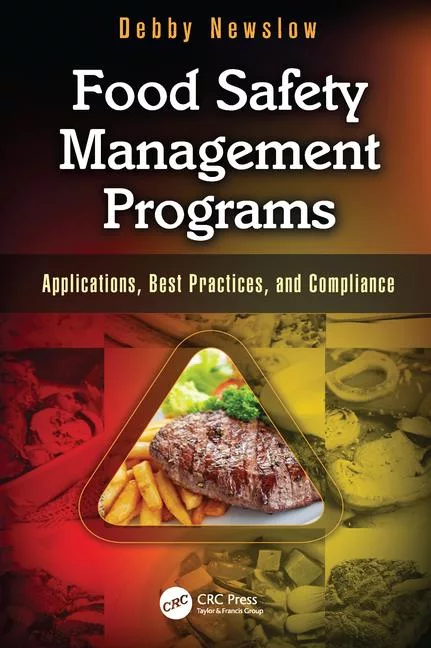
    Food Safety Management Programs: Applications, Best Practices, and Compliance

See More Products

Events

View AllSubmit An Event
  • June 16, 2026

    Sustainable Food Contact Materials: Where Regulation Meets Analytical Testing

    On Demand: This webinar explores how sustainability regulations are changing food contact material requirements, including packaging compliance, unintended substances, and per- and polyfluoroalkyl substances.
  • September 17, 2025

    Bite-Sized Compliance Strategies: How Mars Scaled Global Quality

    On Demand: From this webinar, attendees will learn how to reduce the time spent on managing document revisions, reviews, and approvals by at least 10 percent.
View AllSubmit An Event

Related Directories

  • Nestle Quality Assurance Center Dublin

    The Nestle Quality Assurance Center (NQAC) Dublin provides the analytical testing businesses need to ensure product safety for consumers. We have supported the food industry world-wide for over three decades and offer an expansive portfolio of over 200 methods to meet your food safety testing needs.
×

Never miss the latest news and trends driving the food safety industry

Newsletters | Website | eMagazine

JOIN TODAY!
  • RESOURCES
    • Advertise
    • Contact Us
    • Directories
    • Store
    • Want More
  • SIGN UP TODAY
    • Create Account
    • eMagazine
    • Newsletters
    • Customer Service
    • Manage Preferences
  • SERVICES
    • Marketing Services
    • Reprints
    • Market Research
    • List Rental
    • Survey/Respondent Access
  • STAY CONNECTED
    • LinkedIn
    • Facebook
    • Instagram
    • X (Twitter)
  • PRIVACY
    • PRIVACY POLICY
    • TERMS & CONDITIONS
    • DO NOT SELL MY PERSONAL INFORMATION
    • PRIVACY REQUEST
    • ACCESSIBILITY

Copyright ©2026. All Rights Reserved BNP Media, Inc. and BNP Media II, LLC.

Design, CMS, Hosting & Web Development :: ePublishing