Food Safety
search
Ask Food Safety AI
cart
facebook twitter linkedin
  • Sign In
  • Create Account
  • Sign Out
  • My Account
Food Safety
  • NEWS
    • Latest News
    • White Papers
  • PRODUCTS
  • TOPICS
    • Contamination Control
    • Food Types
    • Management
    • Process Control
    • Regulatory
    • Sanitation
    • Supply Chain
    • Testing and Analysis
  • PODCAST
  • EXCLUSIVES
    • Food Safety Five Newsreel
    • eBooks
    • FSM Distinguished Service Award
    • Interactive Product Spotlights
    • Videos
  • BUYER'S GUIDE
  • MORE
    • ENEWSLETTER >
      • Archive Issues
      • Subscribe to eNews
    • Store
    • Sponsor Insights
    • ASK FSM AI
  • WEBINARS
  • FOOD SAFETY SUMMIT
  • EMAG
    • eMagazine
    • Archive Issues
    • Editorial Advisory Board
    • Contact
    • Advertise
  • SIGN UP!

Regulations & Legislation

Avoiding regulatory landmines in recall situations

By Brett Schwemer
Stressed Out Employee
May 21, 2018

Meat and poultry establishments often learn very hard lessons when going through a recall. Most recalls are high-pressure situations where the Food Safety and Inspection Service (FSIS) expects decisions to be made very quickly. Mistakes made in these pressure-cooker situations can be costly and often not reversible. Below are a few common examples of mistakes establishments make during a recall situation.

The first mistake many establishments make in recall situations is not consulting with outside regulatory experts in timely manner. Too often, companies wait until the very last moment — often right before the FSIS Recall Committee’s call with the company — to request the assistance of an outside regulatory expert. Even if the regulatory expert is able to get up to speed on the facts to adequately represent the company’s interests, it may be too late, as in most cases the FSIS Recall Committee has already made its decision regarding the need for a recall. If an establishment believes a recall is unnecessary or the scope should be limited, and it believes it needs assistance to make these arguments to the agency, it is imperative for the regulatory experts to be engaged as early as possible in the process. This ensures the regulatory expert has the maximum time to work with the establishment to develop the necessary arguments and present them to the committee for consideration before members decide on a recommendation. 

A second common mistake is failing to appeal committee decisions that are not warranted. While most committee decisions are legally and factually supportable, there have been occasions in which it has overstepped its bounds. Unfortunately, many companies do not understand they have the right to challenge the committee’s decision by appealing to the Assistant Administrator of the Office of Field Operations, the Administrator and to the Under Secretary for Food Safety, in that order. Although the time given to exercise the appeal process may depend on the health hazard presented and could be necessarily very short, establishments should understand they have the right to appeal any agency decision as long as it is exercised in a timely manner. Note: Any appeal will be futile if the establishment has already agreed to conduct a recall with the recall committee, only to have second thoughts later about its decision. As I have told several clients, once an establishment has agreed to conduct a recall, the ship has sailed.

A third common mistake is rushing to notify the agency of a possible recall situation before the establishment has gathered all the facts. Admittedly, establishments are required under 9 C.F.R. § 418.2 to notify the agency within 24 hours of learning or having reason to believe that it has shipped or received adulterated or misbranded product in commerce. But many establishments rush to notify FSIS of a potential issue without utilizing the time period afforded by law to fully investigate the facts and determine the scope of the product implicated. The last thing an establishment would want is to agree to a recall only to learn later the recall was unnecessary or the scope of the recall was too small, thus making it necessary to expand the recall, which would include FSIS issuing another press release.

The final common mistake worth mentioning is the failure of companies to follow their recall plans once a recall is initiated. Often, this leads to problems such as inconsistent notifications to customers, the failure to conduct effectiveness checks with customers and the failure to request termination of recalls in a timely manner. Some of these problems can lead to FSIS asserting that an establishment had an ineffective recall. If the plan is not specific enough so that establishment employees know exactly what to do, the plan should be revised. At a minimum, the recall plan should provide detailed instruction on who is involved and how the recall decision is made, how the scope is determined, how the recall should be implemented and how to determine the effectiveness of a recall. Recall plans should also be reassessed after each recall and updated as necessary. 

The above mistakes are just a few common mistakes establishments make when faced with high-pressure recall situations, but they are typically the ones that prove the most costly. Learn from the mistakes of others and make sure you do not repeat them. NP

Looking for quick answers on food safety topics?
Try Ask FSM, our new smart AI search tool.
Ask FSM →


This article was originally posted on www.provisioneronline.com.
KEYWORDS: recall management regulations

Share This Story

Brett schwemer

Brett Schwemer is a principal with Olsson Frank Weeda Terman Matz, PC in Washington, D.C. His primary specialty is food safety and labeling law, representing meat and poultry companies and trade associations before USDA’s Food Safety and Inspection Service. Brett also specializes in regulatory, compliance, and enforcement matters before other USDA agencies, such as the Grain Inspection, Packers and Stockyards Administration.

Recommended Content

JOIN TODAY
to unlock your recommendations.

Already have an account? Sign In

  • people holding baby chicks

    Serovar Differences Matter: Utility of Deep Serotyping in Broiler Production and Processing

    This article discusses the significance of Salmonella in...
    Meat/Poultry
    By: Nikki Shariat Ph.D.
  • woman washing hands

    Building a Culture of Hygiene in the Food Processing Plant

    Everyone entering a food processing facility needs to...
    Personal Hygiene/Handwashing
    By: Richard F. Stier, M.S.
  • graphical representation of earth over dirt

    Climate Change and Emerging Risks to Food Safety: Building Climate Resilience

    This article examines the multifaceted threats to food...
    Contamination Control
    By: Maria Cristina Tirado Ph.D., D.V.M. and Shamini Albert Raj M.A.
Manage My Account
  • eMagazine Subscription
  • Subscribe to eNewsletter
  • Manage My Preferences
  • Website Registration
  • Subscription Customer Service

More Videos

Sponsored Content

Sponsored Content is a special paid section where industry companies provide high quality, objective, non-commercial content around topics of interest to the Food Safety Magazine audience. All Sponsored Content is supplied by the advertising company and any opinions expressed in this article are those of the author and not necessarily reflect the views of Food Safety Magazine or its parent company, BNP Media. Interested in participating in our Sponsored Content section? Contact your local rep!

close
  • Salmonella bacteria
    Sponsored byThermoFisher

    Food Microbiology Testing Methods: Salmonella species

  • a diagram explaining indicator organisms
    Sponsored byHygiena

    How Proactive Listeria Testing Helps Prevent Six- and Seven-Figure Recalls

  • woman grocery shopping
    Sponsored byCorbion

    Designing Safety Into Every Bite: Proactive Risk Mitigation for Refrigerated Foods

Popular Stories

baby eating bottle

Infant Botulism Spike Exceeds 100 Cases, Extent of ByHeart's Involvement Unclear

NRTE breaded stuffed chicken

USDA Indefinitely Delays Enforcement of Salmonella as Adulterant in Raw Breaded, Stuffed Chicken

digital map of europe

EU Publishes Food Fraud Tool Mapping Thousands of Cases Since 2016

Events

December 11, 2025

How to Develop and Implement an Effective Food Defense Strategy

Live: December 11, 2025 at 2:00 pm EDT: From this webinar, attendees will learn common areas where companies encounter challenges in their food defense strategies and how to address them.

May 11, 2026

The Food Safety Summit

Stay informed on the latest food safety trends, innovations, emerging challenges, and expert analysis. Leave the Summit with actionable insights ready to drive measurable improvements in your organization. Do not miss this opportunity to learn from experts about contamination control, food safety culture, regulations, sanitation, supply chain traceability, and so much more.

View All

Products

Global Food Safety Microbial Interventions and Molecular Advancements

Global Food Safety Microbial Interventions and Molecular Advancements

See More Products

Related Articles

  • Man Jumping from 2017 Into 2018

    Regulatory wild ride for meat, poultry could continue in 2018

    See More
  • The National Provisioner's Regulations and Legislation

    Picture this: FSIS resurrects fight to take photos

    See More
  • Ready-to-Eat (RTE) Sandwiches

    RTE products and Appendix A — updated compliance guideline

    See More

Related Products

See More Products
  • 1119237963.jpg

    Food Safety in China: Science, Technology, Management and Regulation

  • 9781138070912.jpg

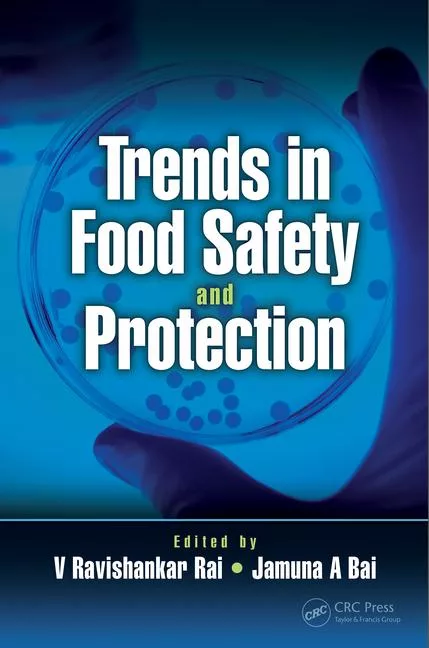
    Trends in Food Safety and Protection

  • 9781138198463.jpg

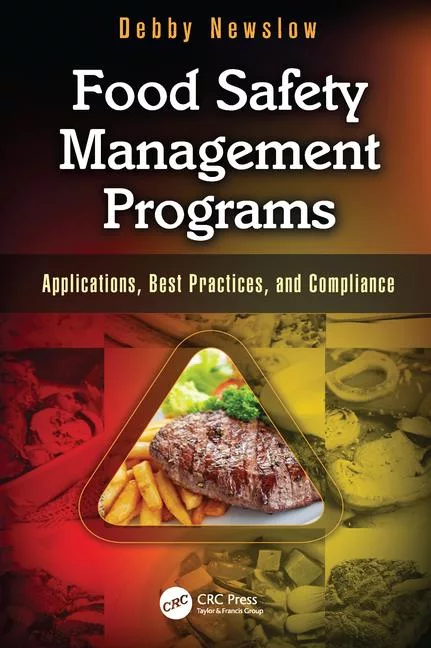
    Food Safety Management Programs: Applications, Best Practices, and Compliance

See More Products

Events

View AllSubmit An Event
  • June 12, 2025

    Additive Bans Ahead: Your Guide to Avoiding Risk and Maintaining Agility

    On Demand: From this webinar, attendees will learn how ingredient bans will impact product development, labeling, and sourcing.
  • May 1, 2025

    Avoiding Sanitation Pitfalls: Challenges and Opportunities for Your Environmental Monitoring Program

    On Demand: During this webinar, attendees will learn environmental sanitation pitfalls to avoid, and how to ensure biological safety inside your plant
View AllSubmit An Event

Related Directories

  • Instant Recall LLC

    Instant Recall automates best practice workflows, data analysis and regulatory reporting for mock recalls, product holds, withdrawals, and recalls for the food industry. Learn why the food industry consistently chooses us as the shared solution for food recall preparedness, recall communications execution, and cost recovery!
  • Recall InfoLink Inc.

    Recall InfoLink is a subscription software that makes recall process management easier and more effective. The cloud platform enables companies across the supply chain to easily distribute recall information, track progress in real time, generate reports for compliance needs, and complete modernized mock recall exercises.
×

Never miss the latest news and trends driving the food safety industry

eNewsletter | Website | eMagazine

JOIN TODAY!
  • RESOURCES
    • Advertise
    • Contact Us
    • Directories
    • Store
    • Want More
  • SIGN UP TODAY
    • Create Account
    • eMagazine
    • eNewsletter
    • Customer Service
    • Manage Preferences
  • SERVICES
    • Marketing Services
    • Reprints
    • Market Research
    • List Rental
    • Survey/Respondent Access
  • STAY CONNECTED
    • LinkedIn
    • Facebook
    • Instagram
    • X (Twitter)
  • PRIVACY
    • PRIVACY POLICY
    • TERMS & CONDITIONS
    • DO NOT SELL MY PERSONAL INFORMATION
    • PRIVACY REQUEST
    • ACCESSIBILITY

Copyright ©2025. All Rights Reserved BNP Media.

Design, CMS, Hosting & Web Development :: ePublishing