Food Safety
search
Ask Food Safety AI
cart
facebook twitter linkedin
  • Sign In
  • Create Account
  • Sign Out
  • My Account
Food Safety
  • NEWS
    • Latest News
    • White Papers
  • PRODUCTS
  • TOPICS
    • Contamination Control
    • Food Types
    • Management
    • Process Control
    • Regulatory
    • Sanitation
    • Supply Chain
    • Testing and Analysis
  • PODCAST
  • EXCLUSIVES
    • Food Safety Five Newsreel
    • eBooks
    • FSM Distinguished Service Award
    • Interactive Product Spotlights
    • Videos
  • BUYER'S GUIDE
  • MORE
    • ENEWSLETTER >
      • Archive Issues
      • Subscribe to eNews
    • Store
    • Sponsor Insights
    • ASK FSM AI
  • WEBINARS
  • FOOD SAFETY SUMMIT
  • EMAG
    • eMagazine
    • Archive Issues
    • Editorial Advisory Board
    • Contact
    • Advertise
  • SIGN UP!

Romaine Lettuce

FDA links farm to romaine lettuce E.Coli outbreak

Most of the illnesses in this outbreak are not linked to romaine lettuce from this farm though
By Crystal Lindell
lettuce
April 29, 2018

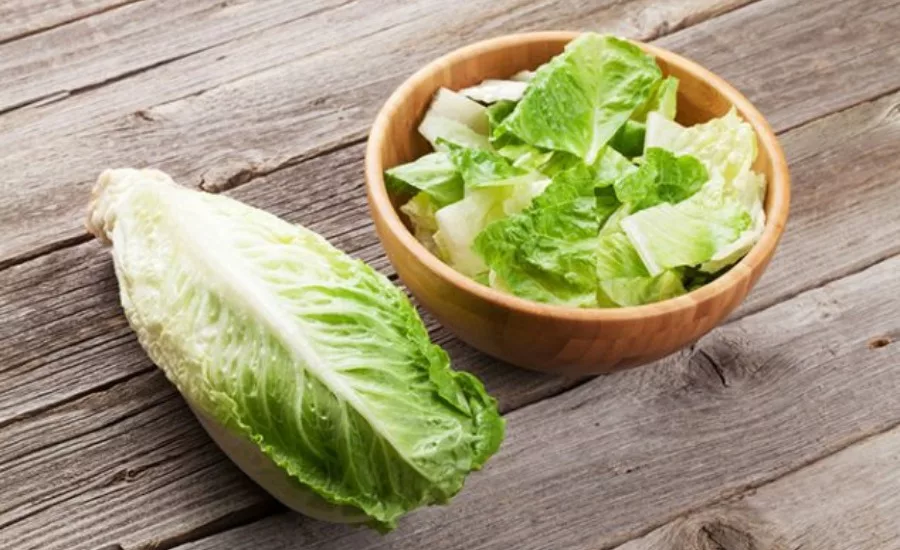
The FDA has identified one farm as the source of the whole-head romaine lettuce that sickened several people at a correctional facility in Alaska. However, the agency has not determined where in the supply chain the contamination occurred, and it is not the cause of the whole E.coli outbreak.

It’s the latest news in the FDA’s continuing investigation into illnesses related to chopped romaine lettuce from the Yuma growing region. The lettuce has caused a multistate outbreak of Shiga toxin-producing Escherichia coli O157:H7 (E. coli O157:H7) infections.

Specifically, the FDA has identified Harrison Farms of Yuma, Arizona, as the grower and sole source of the whole-head romaine lettuce that sickened several people in an Alaska correctional facility, but has not determined where in the supply chain the contamination occurred. The agency is examining all possibilities, including that contamination may have occurred at any point along the growing, harvesting, packaging, and distribution chain before reaching the Alaska correctional facility where it was served.

All of the lettuce in question from Harrison Farms was harvested during March 5-16 and is past its 21-day shelf life. Because the growing season in the Yuma region is at its end, the farm is not growing any lettuce at this time.

“We are working to identify multiple distribution channels that can explain the entirety of the nation-wide outbreak and are tracing back from multiple groupings of ill people located in diverse geographic areas,” the FDA says.

Most of the illnesses in this outbreak are not linked to romaine lettuce from this farm though. The agency is investigating dozens of other fields as potential sources of the chopped romaine lettuce and will share information as it becomes available.

To date, the FDA also has no evidence that other types of lettuce, or romaine lettuce grown outside of the Yuma growing region, are involved in this outbreak.

Looking for quick answers on food safety topics?
Try Ask FSM, our new smart AI search tool.
Ask FSM →

The CDC reports that 98 people in 22 states have become ill. These people reported becoming ill in between March 13, 2018 to April 20, 2018, and Sixty-four (96 percent) of 67 people interviewed reported eating romaine lettuce in the week before their illness started.

Most people reported eating a salad at a restaurant, and romaine lettuce was the only common ingredient identified among the salads eaten. The restaurants reported using bagged, chopped romaine lettuce to make salads. However, traceback does not indicate that Harrison Farms is the source of the chopped romaine that sickened these people. The FDA is continuing to investigate the source of the chopped romaine lettuce that caused these illnesses and has identified dozens of other fields as possible sources.

The most recent illness started on April 20, 2018. Illnesses that occurred in the last two to three weeks might not yet be reported because of the time between when a person becomes ill with E. coli and when the illness is reported to CDC.

Consumers who have symptoms of STEC infection should contact their health care provider to report their symptoms and receive care. Although many infections resolve in 5-7 days, they can result in serious illness, including a potentially serious condition called hemolytic uremic syndrome.

The current outbreak is not related to a recent multistate outbreak of E. coli O157:H7 infections from November to December 2017 linked to leafy greens consumption. People in the previous outbreak were infected with a different DNA fingerprint of E. coli O157:H7 bacteria.


KEYWORDS: CDC FDA produce

Share This Story

Crystal lindell author photo
Crystal Lindell worked primarily at daily newspapers before joining BNP Media in 2010. While here she has worked on Candy Industry Magazine, Food Engineering Magazine and Food Safety Strategies. She holds a master’s degree in public affairs reporting from the University of Illinois – Springfield and a bachelor’s degree in political science from Western Illinois University. And her favorite breakfast is a cup of espresso and Twix bar.

Recommended Content

JOIN TODAY
to unlock your recommendations.

Already have an account? Sign In

  • people holding baby chicks

    Serovar Differences Matter: Utility of Deep Serotyping in Broiler Production and Processing

    This article discusses the significance of Salmonella in...
    Food Type
    By: Nikki Shariat Ph.D.
  • woman washing hands

    Building a Culture of Hygiene in the Food Processing Plant

    Everyone entering a food processing facility needs to...
    Personal Hygiene/Handwashing
    By: Richard F. Stier, M.S.
  • graphical representation of earth over dirt

    Climate Change and Emerging Risks to Food Safety: Building Climate Resilience

    This article examines the multifaceted threats to food...
    Contamination Control
    By: Maria Cristina Tirado Ph.D., D.V.M. and Shamini Albert Raj M.A.
Manage My Account
  • eMagazine Subscription
  • Subscribe to eNewsletter
  • Manage My Preferences
  • Website Registration
  • Subscription Customer Service

More Videos

Sponsored Content

Sponsored Content is a special paid section where industry companies provide high quality, objective, non-commercial content around topics of interest to the Food Safety Magazine audience. All Sponsored Content is supplied by the advertising company and any opinions expressed in this article are those of the author and not necessarily reflect the views of Food Safety Magazine or its parent company, BNP Media. Interested in participating in our Sponsored Content section? Contact your local rep!

close
  • Salmonella bacteria
    Sponsored byThermoFisher

    Food Microbiology Testing Methods: Salmonella species

  • a diagram explaining indicator organisms
    Sponsored byHygiena

    How Proactive Listeria Testing Helps Prevent Six- and Seven-Figure Recalls

  • woman grocery shopping
    Sponsored byCorbion

    Designing Safety Into Every Bite: Proactive Risk Mitigation for Refrigerated Foods

Popular Stories

NRTE breaded stuffed chicken

USDA Indefinitely Delays Enforcement of Salmonella as Adulterant in Raw Breaded, Stuffed Chicken

digital map of europe

EU Publishes Food Fraud Tool Mapping Thousands of Cases Since 2016

non-conforming product

How to Handle Non-Conforming Product

Events

December 11, 2025

How to Develop and Implement an Effective Food Defense Strategy

Live: December 11, 2025 at 2:00 pm EDT: From this webinar, attendees will learn common areas where companies encounter challenges in their food defense strategies and how to address them.

May 11, 2026

The Food Safety Summit

Stay informed on the latest food safety trends, innovations, emerging challenges, and expert analysis. Leave the Summit with actionable insights ready to drive measurable improvements in your organization. Do not miss this opportunity to learn from experts about contamination control, food safety culture, regulations, sanitation, supply chain traceability, and so much more.

View All

Products

Global Food Safety Microbial Interventions and Molecular Advancements

Global Food Safety Microbial Interventions and Molecular Advancements

See More Products

Related Articles

  • Romaine Lettuce

    Romaine lettuce E. coli outbreak linked to canal water

    See More
  • Romaine Lettuce

    CDC warns against all romaine lettuce due to E. coli

    See More
  • romaine

    FDA: It’s safe to eat romaine again

    See More

Related Products

See More Products
  • 1119258073.jpg

    FSMA and Food Safety Systems: Understanding and Implementing the Rules

  • 0813808774.jpg

    Improving Import Food Safety

  • food-safety-making.jpg

    Food Safety: Making Foods Safe and Free From Pathogens

See More Products

Related Directories

  • PLM TrustLink

    PLM TrustLink® is a comprehensive software platform for tracking & tracing food throughout the supply chain. From origin to destination, PLM TrustLink® utilizes unique product markers to provide transparency, traceability, and trust of key date elements through critical tracking events. The PLM TrustLink® solution delivers real-time actionable data to improve operational efficiency, food safety and regulatory compliance for customers.
×

Never miss the latest news and trends driving the food safety industry

eNewsletter | Website | eMagazine

JOIN TODAY!
  • RESOURCES
    • Advertise
    • Contact Us
    • Directories
    • Store
    • Want More
  • SIGN UP TODAY
    • Create Account
    • eMagazine
    • eNewsletter
    • Customer Service
    • Manage Preferences
  • SERVICES
    • Marketing Services
    • Reprints
    • Market Research
    • List Rental
    • Survey/Respondent Access
  • STAY CONNECTED
    • LinkedIn
    • Facebook
    • Instagram
    • X (Twitter)
  • PRIVACY
    • PRIVACY POLICY
    • TERMS & CONDITIONS
    • DO NOT SELL MY PERSONAL INFORMATION
    • PRIVACY REQUEST
    • ACCESSIBILITY

Copyright ©2025. All Rights Reserved BNP Media.

Design, CMS, Hosting & Web Development :: ePublishing