Food Safety
search
Ask Food Safety AI
cart
facebook twitter linkedin instagram youtube
  • Sign In
  • Join Today
  • Sign Out
  • My Account
Food Safety
  • NEWS
    • Latest News
    • Food Safety Five Newsreel
  • PRODUCTS
  • TOPICS
    • Contamination Control
    • Food Types
    • Management
    • Process Control
    • Regulatory
    • Sanitation
    • Supply Chain
    • Testing and Analysis
  • PODCAST
  • EXCLUSIVES
    • eBooks
    • Sponsored Insights
    • Sponsored White Papers
    • FSM Distinguished Service Award
    • Interactive Product Spotlights
    • Videos
  • MORE
    • BUYER'S GUIDE
    • NEWSLETTERS >
      • Archive Issues
      • Subscribe to eNews
    • Store
    • ASK FSM AI
  • WEBINARS
  • FOOD SAFETY SUMMIT
  • FSM FEATURES
    • FSM Features Collection
    • eMag Archives
    • Editorial Advisory Board
    • Contact
    • Advertise
  • JOIN
NewsContamination ControlRegulatorySupply ChainChemical ControlFDAFSMAImports/Exports

After 2025 ‘Radioactive Shrimp’ Incident, FDA Reports Indonesian Import Certification Program Now Up to Par
By Food Safety Magazine Editorial Team
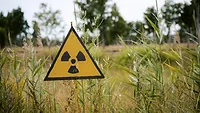
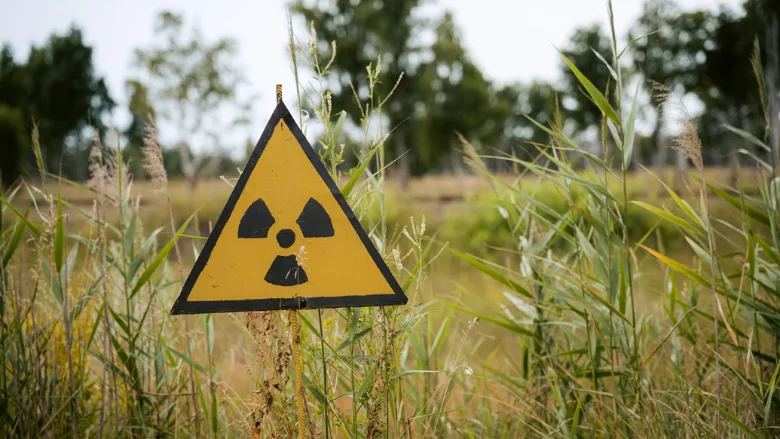
radioactivity sign in a field
Image credit: Kilian Karger via Unsplash
October 5, 2026

Need to Know

  • FDA found Indonesia’s Cs-137 import certification program is now substantially meeting agency requirements and will maintain MFQAA and BPOM as certifying entities for shrimp and spices, respectively
  • The import certification program was launched after FDA detected radioactive Cs-137 contamination in shipments of Indonesian shrimp and cloves in 2025, marking the agency's first use of this FSMA authority
  • FDA identified deficiencies for each certifying entity, which have since been corrected: MFQAA improperly composited shrimp samples, while BPOM scanned spice pallets for less than the required minimum time
  • FDA also identified four improvement opportunities for MFQAA and nine for BPOM, which have also been addressed by the certifying entities, including certificate management, laboratory reporting, equipment calibration, scanning documentation, and other program controls
  • All three laboratories supporting the certification program met FDA testing requirements, with no deficiencies identified

The U.S. Food and Drug Administration (FDA) has determined that Indonesia’s import certification program for shrimp and spice products potentially contaminated with Cesium-137 (Cs-137) is being implemented in accordance with FDA requirements, following an in-country assessment conducted in May 2026.

FDA’s newly released assessment report concluded that the two Indonesian agencies designated to certify products for export to the U.S. are “substantially meeting” their responsibilities. FDA identified one deficiency for each certifying entity (CE), as well as several opportunities for program improvement. Both agencies subsequently revised their procedures, and FDA considered its findings satisfactorily addressed.

Indonesia’s Marine and Fisheries Quality Assurance Agency (MFQAA) was designated as the CE for shrimp and shrimp products, and the Indonesian Food and Drug Authority (BPOM) was designated as the CE for spices. The agencies are responsible for providing shipment-specific assurances that covered products are not contaminated with Cs-137 before export to the U.S.

Based on its assessment, FDA will maintain MFQAA and BPOM as the certifying entities for Indonesian shrimp and spice products, respectively, covered by the Cs-137 import certification program. FDA said it will continue monitoring implementation and conduct additional assessments as needed.

Import Certification Program Launched After ‘Radioactive Shrimp’ Incident 

The assessment was initiated after FDA’s 2025 detection of Cs-137, a radioactive contaminant, in shrimp, and later in cloves, imported from Indonesia. In response, FDA issued Import Alert 99-52 and, beginning October 31, 2025, required import certification under Section 801(q) of the Federal Food, Drug, and Cosmetic Act for certain shrimp and spice products from specified regions of Indonesia. The action represented FDA’s first use of the import certification authority provided by Congress through the Food Safety Modernization Act (FSMA).

Cs-137 is a human-made radioactive isotope. The primary health concern associated with longer-term, repeated low-dose exposure to Cs-137, including through contaminated food or water, is an increased cancer risk resulting from DNA damage. FDA’s Derived Intervention Level for Cs-137 is 1,200 becquerels per kilogram (Bq/kg). Although the cesium-contaminated shrimp and clove imports fell below the 1,200 Bq/kg intervention level, FDA noted that repeated exposure below that level could potentially pose a human health risk, and took action accordingly.

Indonesian Authorities Corrected Sampling, Scanning Deficiencies Noted by FDA

From May 4–8, 2026, FDA assessed the implementation of the certification program through meetings with the CEs; onsite evaluations at six shrimp processing establishments and five spice processing establishments in Banten, West Java, and East Java; and visits to three laboratories performing Cs-137 testing. FDA also reviewed records associated with selected certificates and observed scanning and sampling activities.

Looking for quick answers on food safety topics?
Try Ask FSM, our new smart AI search tool.
Ask FSM →

For MFQAA, FDA identified a deficiency in its shrimp sampling procedure. MFQAA had collected samples from each container and composited samples from ten consecutive containers for analysis. FDA requirements instead called for sampling the first container prepared by each manufacturer or processor, followed by one sample for every eight to ten containers.

MFQAA revised its procedure so that one individual sample is collected from a selected container representing a maximum of ten scanned containers, eliminating composite sampling. FDA considered the correction satisfactory.

FDA also identified four opportunities to improve MFQAA’s program involving management of draft and final certificates, documentation of scanning-device acquisition settings, calibration and background measurement documentation, and direct reporting of laboratory results to MFQAA. The agency determined that MFQAA satisfactorily addressed all four recommendations.

For BPOM, FDA found that operators using FLIR R425 radiation detectors had scanned spice pallets for ten minutes, or 2.5 minutes per side, rather than the required minimum of 12 minutes, or three minutes per side. BPOM attributed the discrepancy to an error in a supporting document and revised its scanning protocol to specify the correct scanning times and detector settings. FDA considered the deficiency satisfactorily addressed.

FDA additionally identified nine opportunities to improve BPOM’s certification program, including the tracking and reporting of laboratory results, certificate management, instrument calibration and quality control, scanning documentation, product rejection procedures, and procedures for evaluating inconclusive radiological signals. BPOM revised its procedures in response, and FDA considered the improvements satisfactory.

Cs-137 Testing Laboratories Met FDA Requirements

FDA also evaluated three laboratories used by the certification program: the National Research and Innovation Agency (BRIN), the BAPETEN Environmental Laboratory, and the BUSPM laboratory.

All three maintained ISO/IEC 17025-accredited radiochemistry facilities capable of measuring gamma-emitting radionuclides, with gamma spectrometry included within their accreditation scopes. FDA identified no deficiencies related to applicable laboratory requirements.

KEYWORDS: shrimp spices

Share This Story

Fsm purple logo 200x200

The Food Safety Magazine editorial team comprises Bailee Henderson, Director of Content Strategy and news editor ✉, and Adrienne Blume, M.A., Director of Editorial and Industry Engagement.

Recommended Content

JOIN TODAY
to unlock your recommendations.

Already have an account? Sign In

  • people holding baby chicks

    Serovar Differences Matter: Utility of Deep Serotyping in Broiler Production and Processing

    This article discusses the significance of Salmonella in...
    Contamination Control
    By: Nikki Shariat Ph.D.
  • woman washing hands

    Building a Culture of Hygiene in the Food Processing Plant

    Everyone entering a food processing facility needs to...
    Facilities
    By: Richard F. Stier, M.S.
  • graphical representation of earth over dirt

    Climate Change and Emerging Risks to Food Safety: Building Climate Resilience

    This article examines the multifaceted threats to food...
    Risk Assessment
    By: Maria Cristina Tirado Ph.D., D.V.M. and Shamini Albert Raj M.A.
Manage My Account
  • Join Food Safety Magazine
  • Manage My Preferences
  • Customer Service

More Videos

Sponsored Content

Sponsored Content is a special paid section where industry companies provide high quality, objective, non-commercial content around topics of interest to the Food Safety Magazine audience. All Sponsored Content is supplied by the advertising company and any opinions expressed in this article are those of the author and not necessarily reflect the views of Food Safety Magazine or its parent company, BNP Media. Interested in participating in our Sponsored Content section? Contact your local rep!

close
  • pre-packaged salads, noodles, and prepared meals stocked on multi-tier grocery store refrigerator shelves
    Sponsored byCorbion

    How Many Days of Shelf Life Are You Leaving on the Table?

  • Top view portrait of two factory workers standing by conveyor belt during quality inspection at food production, copy space
    Sponsored byFlexXray

    Foreign Material By the Numbers: What the 2026 Benchmark Report Reveals

  • a conveyorized industrial metal detector system that appears to resemble a Loma Systems IQ4 Metal Detector setup with an integrated conveyor belt and control panel for food or package inspection.
    Sponsored byMettler Toledo

    Beyond Detection: How to Avoid Physical Contamination in Food Through a Smarter Inspection Strategy

Popular Stories

choosing food in the freezer aisle

Refrigerator Malfunctions on U.S. Military Bases May Be Result of Targeted Cyberattacks, Similar to French Incident

This image depicts a meat processing facility

Study Finds Differences Between Beef, Pork Microbial Contamination During Processing

supermarket freezers

Another Wave of Refrigerator Cyberattacks Sweeps European Grocery Stores, Causing More Food Losses

allergens ebook

Events

November 5, 2026

How Middle Managers Shape Food Safety Culture and Risk Performance

Live: November 5, 2026 at 11:00 am EST: From this webinar, attendees will learn how investing in middle managers improves both FSQ strategy implementation and accountability across all levels of the company.

November 12, 2026

From Data Overload to Actionable Food Safety Risk Intelligence

Live: November 12, 2026 at 11:00 am EST: This webinar explores how data integration, advanced analytics, and digital technologies can help transform disparate information into meaningful risk intelligence.

November 17, 2026

Are You Getting the Most from Your Food Safety Testing?

Live: November 17, 2026 at 11:00 am EST: Attend this webinar to explore practical ways food processors can modernize sanitation verification and microbiological testing while keeping workflows simple and effective.

View All

Products

Global Food Safety Microbial Interventions and Molecular Advancements

Global Food Safety Microbial Interventions and Molecular Advancements

See More Products

Related Articles

  • dried cloves

    After Radioactive Shrimp Recall, FDA Detects More Cs-137 in Indonesian Spice Import

    See More
  • radioactivity sign in a field

    Indonesian Officials Find Cause of Cs-137 Contamination Behind Radioactive Shrimp

    See More
  • raw frozen shrimp

    FDA Investigating Imported Radioactive Shrimp Sold at Walmart

    See More

Related Products

See More Products
  • 0813808774.jpg

    Improving Import Food Safety

  • 1119258073.jpg

    FSMA and Food Safety Systems: Understanding and Implementing the Rules

  • food safety.jpg

    Food Safety Contaminants and Risk Assessment

See More Products

Related Directories

  • EAGLE Certification Group

    Since 1994, EAGLE has served companies across the globe by providing second and third-party audits of their quality, environmental, health and safety, or food safety management systems. We are an accredited certification body that delivers objective, impartial audits with high integrity, exceptional service and great care. Our mission is to help our clients grow, improve and achieve their goals through a seamless, value-added auditing process.
  • Citi Program, a Div. of Brany

    CITI Program will continue to expand to meet the ever-growing needs of the research, healthcare, technology, and educational organizations that rely on us to train learners globally. We plan to continue to build new content offerings, invest in enhancing the learning management features and delivery, and continuously improve the quality and value of our program. As CITI Program enters its third decade, we will aim to remain a trusted partner and the preeminent choice for organizations to meet their training needs.
  • Michigan State University Online Food Safety Program

    The MSU Online Food Safety program offers a master’s degree and a graduate certificate, both fully online and grounded in a science driven curriculum. Designed for working professionals, the program provides flexible learning while equipping students with practical knowledge to address evolving food safety and public health challenges with confidence.
×

Never miss the latest news and trends shaping the food safety industry

Newsletters | Website | FSM Features Collection

JOIN TODAY!
  • RESOURCES
    • Advertise
    • Contact Us
    • Directories
    • Store
  • JOIN TODAY
    • Create Account
    • FSM Features Collection
    • Newsletters
    • Customer Service
    • Manage Preferences
  • SERVICES
    • Marketing Services
    • Reprints
    • Market Research
    • List Rental
    • Survey/Respondent Access
  • STAY CONNECTED
    • LinkedIn
    • Facebook
    • Instagram
    • X (Twitter)
    • YouTube
  • PRIVACY
    • PRIVACY POLICY
    • TERMS & CONDITIONS
    • DO NOT SELL MY PERSONAL INFORMATION
    • PRIVACY REQUEST
    • ACCESSIBILITY

Copyright ©2026. All Rights Reserved BNP Media, Inc. and BNP Media II, LLC.

Design, CMS, Hosting & Web Development :: ePublishing