Food Safety
search
Ask Food Safety AI
cart
facebook twitter linkedin instagram youtube
  • Sign In
  • Create Account
  • Sign Out
  • My Account
Food Safety
  • NEWS
    • Latest News
    • White Papers
  • PRODUCTS
  • TOPICS
    • Contamination Control
    • Food Types
    • Management
    • Process Control
    • Regulatory
    • Sanitation
    • Supply Chain
    • Testing and Analysis
  • PODCAST
  • EXCLUSIVES
    • Food Safety Five Newsreel
    • eBooks
    • FSM Distinguished Service Award
    • Interactive Product Spotlights
    • Videos
  • BUYER'S GUIDE
  • MORE
    • NEWSLETTERS >
      • Archive Issues
      • Subscribe to eNews
    • Store
    • Sponsor Insights
    • ASK FSM AI
  • WEBINARS
  • FOOD SAFETY SUMMIT
  • EMAG
    • eMagazine
    • Archive Issues
    • Editorial Advisory Board
    • Contact
    • Advertise
  • SIGN UP!
NewsRegulatoryFDA

FDA Encourages Industry to Develop Best Practices, Use Root Cause Analyses

By Food Safety Magazine Editorial Team
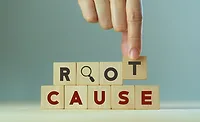
magnifying glass and world wide web symbol
Image credit: 8photo via Magnific
May 13, 2026

The U.S. Food and Drug Administration’s Human Foods Program (FDA’s HFP) has released two new web resources on the development of industry best practices and the use of root cause analysis to understand food safety issues and prevent recurrence.

In a Food Safety Matters podcast interview recorded this week during the 2026 Food Safety Summit, Conrad Choiniere, Ph.D., Director of the Office of Microbiological Food Safety in FDA’s HFP, discussed the newly released resources from the agency. The interview will be shared through all major podcast players and on the Food Safety Magazine website on May 19.

Industry–FDA Collaboration on Best Practices

The webpage on Food Safety Best Practices for Human Foods describes how industry can work with FDA to create best practices, which are not FDA guidance documents. Rather, best practices are guidelines, often specific to an individual food commodity or specific segment of an industry, developed by industry, academia, or other groups based on their experience and lessons learned. They are intended to communicate meaningful food safety best practices that farms, facilities, or other food producers can follow in their day-to-day operations to enhance food safety.

In support of the development of best practices, FDA subject matter experts often participate in industry- or academia-led workgroups, share scientific data and insights, provide technical and regulatory expertise, and review resources developed by external stakeholders. FDA encourages stakeholders to connect with the agency when developing best practices for technical assistance, scientific information, and help with regulatory alignment.

The webpage highlights collaborations on best practices and other documents.

Encouraging Root Cause Analyses

Root cause analyses (RCAs) help regulators and industry identify the problems that caused a food safety incident and how those problems may have occurred. The findings from an RCA can help firms improve their own food safety interventions, inform industry-wide best practices, and help FDA develop guidance and enhanced oversight—all of which can help prevent recurrence.

FDA’s new Root Cause Analysis webpage describes the process for an RCA, FDA’s use of RCAs, and FDA’s activities to strengthen RCA processes.

Looking for quick answers on food safety topics?
Try Ask FSM, our new smart AI search tool.
Ask FSM →


KEYWORDS: guidance Root Cause Analysis

Share This Story

Fsm purple logo 200x200

The Food Safety Magazine editorial team comprises Bailee Henderson, Digital Editor ✉ and Adrienne Blume, M.A., Editorial Director.

Recommended Content

JOIN TODAY
to unlock your recommendations.

Already have an account? Sign In

  • people holding baby chicks

    Serovar Differences Matter: Utility of Deep Serotyping in Broiler Production and Processing

    This article discusses the significance of Salmonella in...
    Testing & Analysis
    By: Nikki Shariat Ph.D.
  • woman washing hands

    Building a Culture of Hygiene in the Food Processing Plant

    Everyone entering a food processing facility needs to...
    Management
    By: Richard F. Stier, M.S.
  • graphical representation of earth over dirt

    Climate Change and Emerging Risks to Food Safety: Building Climate Resilience

    This article examines the multifaceted threats to food...
    Management
    By: Maria Cristina Tirado Ph.D., D.V.M. and Shamini Albert Raj M.A.
Manage My Account
  • eMagazine Subscription
  • Subscribe to Newsletters
  • Manage My Preferences
  • Website Registration
  • Subscription Customer Service

More Videos

Sponsored Content

Sponsored Content is a special paid section where industry companies provide high quality, objective, non-commercial content around topics of interest to the Food Safety Magazine audience. All Sponsored Content is supplied by the advertising company and any opinions expressed in this article are those of the author and not necessarily reflect the views of Food Safety Magazine or its parent company, BNP Media. Interested in participating in our Sponsored Content section? Contact your local rep!

close
  • the use of dual-energy X-ray food inspection technology to identify foreign contaminants.
    Sponsored byEagle by METTLER TOLEDO

    Precision Inspection Starts with the Right X-ray Detector

  • This image depicts a worker cleaning stainless steel machinery in a food processing plant
    Sponsored byCintas

    Employee Uniforms: A Frontline Defense Against Food Contamination

  • This image depicts a healthcare professional managing a large volume of paperwork and transitioning to a digital workflow.
    Sponsored bySafetyChain

    The Invisible Plant Tax Starts with Your Records

Popular Stories

packages of beef at retail

Scientists Tackle Food Waste with More Accurate ‘Sell By’ Dates Based on Meat Microbial Activity

scientists using molecular model

Updated EU Food Chemical Safety Information Database Now Available

close-up of woman in suit writing on clipboard

FDA Launches One-Day Inspectional Assessments


Events

May 11, 2026

The Food Safety Summit

Stay informed on the latest food safety trends, innovations, emerging challenges, and expert analysis. Leave the Summit with actionable insights ready to drive measurable improvements in your organization. Do not miss this opportunity to learn from experts about contamination control, food safety culture, regulations, sanitation, supply chain traceability, and so much more.

May 14, 2026

FSMA at 15: Where Are We Now?

Live Streaming from Food Safety Summit: This session will explore how FSMA has shaped today’s food safety landscape—and what’s next.

May 28, 2026

Advanced Sanitation Strategies for Allergen Risk Reduction in Food Processing

Live: May 28, 2026, at 2:00 pm EDT: From this webinar, attendees will learn why validation and verification are necessary for allergen control, and how analytical tools can support allergen management programs.

View All

Products

Global Food Safety Microbial Interventions and Molecular Advancements

Global Food Safety Microbial Interventions and Molecular Advancements

See More Products

Related Articles

  • FDA Reminds Industry of Best Practices in Response to Food Product Tampering in Retail Grocery Stores

    See More
  • two people inspecting machinery

    Root Cause Analysis: Putting It to Work for You

    See More
  • women in white coats conferring

    Food Safety Summit's "Got Root Cause?" Workshop to Demystify RCA Process

    See More

Related Products

See More Products
  • 9781138198463.jpg

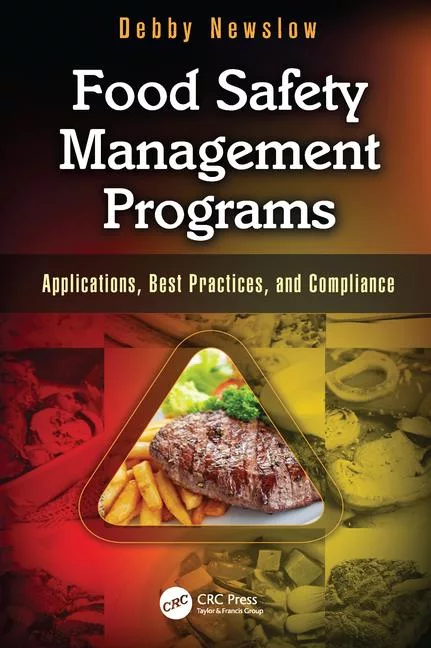
    Food Safety Management Programs: Applications, Best Practices, and Compliance

  • 1118396308.jpg

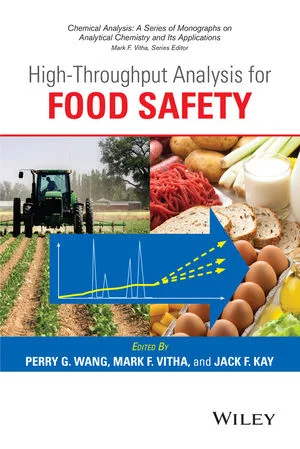
    High Throughput Analysis for Food Safety

  • 9781032369990 (1).webp

    Food Safety Quality Control and Management

See More Products

Related Directories

  • Best Sanitizers Inc.

    Since 1995, Best Sanitizers, Inc. has supplied the Food Processing and Healthcare industries with high-quality products and support. Our stringent practices and policies ensure reliable performance, giving you confidence in every use. We offer hand soaps, hand sanitizers, surface sanitizers, and industrial cleaners. As the first company to achieve both an E3 rating for an alcohol-based hand sanitizer and a D2 rating for an alcohol/quat-based surface sanitizer, we continue to innovate and provide effective hygiene and sanitation solutions.
×

Never miss the latest news and trends driving the food safety industry

Newsletters | Website | eMagazine

JOIN TODAY!
  • RESOURCES
    • Advertise
    • Contact Us
    • Directories
    • Store
    • Want More
  • SIGN UP TODAY
    • Create Account
    • eMagazine
    • Newsletters
    • Customer Service
    • Manage Preferences
  • SERVICES
    • Marketing Services
    • Reprints
    • Market Research
    • List Rental
    • Survey/Respondent Access
  • STAY CONNECTED
    • LinkedIn
    • Facebook
    • Instagram
    • X (Twitter)
  • PRIVACY
    • PRIVACY POLICY
    • TERMS & CONDITIONS
    • DO NOT SELL MY PERSONAL INFORMATION
    • PRIVACY REQUEST
    • ACCESSIBILITY

Copyright ©2026. All Rights Reserved BNP Media, Inc. and BNP Media II, LLC.

Design, CMS, Hosting & Web Development :: ePublishing