USDA-FSIS Publishes New Generic HACCP Model for RTE Fermented, Salt-Cured, Dried Products

The U.S. Department of Agriculture’s Food Safety and Inspection Service (USDA-FSIS) has released a new, generic Hazards Analysis and Critical Control Points (HACCP) model for ready-to-eat (RTE) fermented, salt-cured, and dried products.
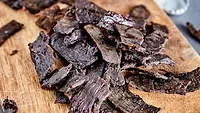
FSIS previously published the FSIS RTE Fermented, Salt-Cured, and Dried Products Guideline which provides information on FSIS regulatory requirements for the safe production of RTE shelf-stable, fermented, salt-cured, and dried products that rely on multi-hurdle approaches to achieve lethality and shelf-stability. The model illustrates the processing of a dried, fermented sausage in the HACCP processing category of “not heat treated—shelf stable.”
Consistent with previous models, the new, generic HACCP model includes a product description, ingredients list, production flow diagram, hazard analysis, and HACCP plan. Flow diagrams in the models demonstrate a general production process and should be modified to reflect the processes used at the establishment.
The model is intended to assist establishments in meeting food safety regulatory requirements. FSIS HACCP models may not necessarily apply to all operations or products, and the contents of the models are nonbinding.
Along with the 1996 Pathogen Reduction/HACCP Final Rule, FSIS made generic HACCP models for different meat and poultry processes available as examples on how to meet regulatory requirements. Announced in October 2020, FSIS updated its HACCP guide and multiple generic HACCP models, as well as developed a Sanitation Standard Operating Procedures (SSOPs) guide. New and updated models reflect changes in FSIS policy and lessons learned about implementing HACCP since its inception.
FSIS HACCP models, including the new model, are available on the “FSIS Guidelines” page and the “Small and Very Small Plant Guidance” page of the FSIS website. Additional HACCP models will be posted and announced as they are developed or revised.
Looking for quick answers on food safety topics?
Try Ask FSM, our new smart AI search tool.
Ask FSM →