Whole genome sequencing is gaining traction within the food industry, but advancements in technology, regulatory clarity, standardization in sequencing, and results interpretation are needed
This article discusses the results of a 2024 follow-up survey to a 2019 workshop on the food industry's use of whole genome sequencing (WGS), the benefits and challenges of this technology, and necessary advancements for its continued acceptance and effective use in ensuring food safety.
A UK-based study, led by Quadram Institute researchers, underscores the limitations of traditional enumeration methods for foodborne pathogen surveillance and highlights the need for whole genome sequencing (WGS) to better assess the food safety risk posed by commensal or opportunistic Escherichia coli lineages.
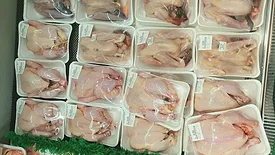
New research has demonstrated a low overall prevalence of Campylobacter on retail chicken meat; however, recovered C. jejuni strains did not match known poultry-associated genotypes, suggesting the need for sensitive detection methods and expanded genomic surveillance.
This episode of Food Safety Five discusses two scientific developments that could help address the risk posed by Cronobacter in powdered infant formula: an AI-powered analysis of genetic data for C. sakazakii, providing new insight into why it persists in low-moisture foods, and the development of a promising new assay.
A study of Salmonella isolated from retail poultry meat has demonstrated a concerning presence of antimicrobial resistance (AMR) genes with the ability to transfer between bacteria.
Using an artificial intelligence (AI) model to standardize and analyze a massive, global set of whole genome sequencing (WGS) data for Cronobacter sakazakii, University of Maryland researchers have discovered genetic traits that may explain the pathogen’s persistence and virulence in low-moisture foods like powdered infant formula.
This episode of Food Safety Five discusses newly published CDC data about the pathogens causing foodborne illness and contributing factors of outbreaks, as well as research by CDC, USDA, and FDA scientists exploring the use of AI analysis of whole genome sequencing data for foodborne illness source attribution.
A new study by USDA researchers has shown that long-read whole genome sequencing (WGS) could detect Salmonella attachment to food-contact surfaces earlier than traditional culture-based methods, allowing for sanitation interventions to be applied before the maturation of robust and difficult-to-remove biofilms.
Between 2017 and 2019, Canadian public health laboratories transitioned to whole genome sequencing (WGS) for foodborne illness outbreak surveillance. A recent study shows the positive impact of this transition of national outbreak detection and response for important foodborne pathogens.
A survey of 200 international food processors provides insight into which food safety technologies are being adopted and their effects on daily operations. Part 3 explores the impact and need for further development of testing technologies, focusing on responses from participants outside of North America.