To date, food safety training has emphasized compliance rather than prioritizing the end consumer. This approach has served its purpose, but it is time to (figuratively) bring the consumer into the training room and redesign food safety education and training with a sharper focus and impact.
Motion Industries’ Learning and Development Center (LDC) trainings are designed to empower industry professionals across North America, including in-person and virtual courses on technical skills, soft skills, and Microsoft Office.
Registrar Corp now offers a fully virtual, self-paced Preventive Controls Qualified Individual (PCQI) course that meets FDA Food Safety Modernization Act (FSMA) requirements and offers an an official Food Safety Preventive Controls Alliance (FSPCA) certificate.
In leading by example, fostering a workplace learning culture, and establishing clear pathways for skill development, frontline managers can empower and transform their teams.
In this episode of Food Safety Matters, we speak to Dr. Christopher Daubert, President of the Institute of Food Technologists (IFT) and Vice Chancellor and Dean of the College of Agriculture, Food, and Natural Resources at the University of Missouri, about the value of a food science education, as well as the complex food system challenges that today's students, who make up tomorrow's workforce, can help address.
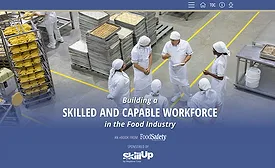
Despite growing demand for rigorous oversight, the food safety sector faces a significant workforce shortage, particularly in roles related to auditing, inspections, and assessments
This article discusses the development of a USDA-NIFA funded project aimed at solving the problem of the dire workforce shortage of food safety inspectors, auditors, and managers through a paradigm shift in food safety education in higher education.
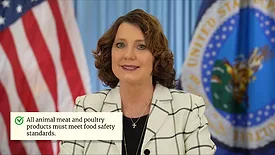
Excellence in food safety for meat and poultry, from the farm to the processing plant, encompasses a number of steps to eliminate threats like Listeria, Salmonella, Campylobacter, foreign material, and spoilage organisms that prematurely limit shelf life.
A lack of genuine investment in employee training and development among the food industry may be contributing to food safety incidents and foodborne illnesses. This article explores the essential elements of high-quality employee training programs that make a lasting impact and also drive business growth.
There are many vehicles to provide food safety learning to industry professionals. While none can provide a one-time or all-encompassing food safety learning experience, all learning opportunities are investments in one of industry’s most essential resources—the people directly supporting safe food production.
On Demand:From this webinar, attendees will learn common areas where companies encounter challenges in their food defense strategies and how to address them.