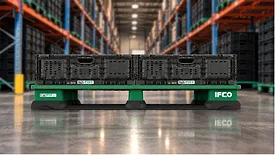
Designed for food and non-food applications, the Atlas pallet incorporates digital track-and-trace capabilities, which provide information on pallet location and inventory, as well as cold-chain monitoring.
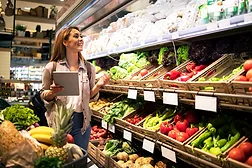
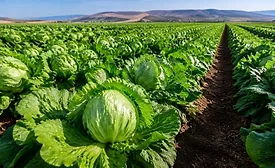
Fresh produce travels through several layers of the supply chain, and it is important to understand how produce is kept safe in transit. Wholesale distributors play a critical role in safeguarding produce, whether it is storing product in their warehouse or transporting it to customers. This article breaks down what happens to produce as it makes its way from the farm to consumers' plates.
Automated, risk-tiered supplier monitoring does not prevent an outbreak (like this summer's cyclosporiasis event) or replace the traceback work done by FDA and CDC, but it can change how fast and how precisely a distributor can act while that investigation unfolds.
Each operating company retains its name, people, customer relationships, and local presence while gaining access to shared resources, broader sourcing strength, operational support, and additional capabilities.
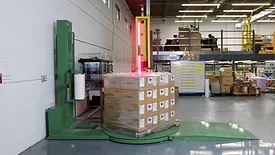
Peak Automation Intelligence by Peak Technologies uses machine vision, smart optics, mobile computing, and unified analytics to provide an automated view of pallets and packages, material movement, and dock workflow.
Leveraging Knowde software, ingredients supplier Tilley Distribution has upgraded its digital product catalogue to improve the customer search experience, enabling Tilley customers, including those in the food and beverage industry, to more easily find and procure products they need.
In a dynamic shipping environment, the need to anticipate and reduce food safety risks across the supply chain requires innovation, strategic leadership, and strong partnerships between food and transportation companies. This article will provide a brief history of food safety in transportation, a review of current trends, and insights into strategies and cultural expectations to prevent and control food safety risks in transportation.
The Food Safety Modernization Act, (FSMA) represents the most significant overhaul of U.S. food safety regulations in over 70 years, says Purnendu Vasavada, professor emeritus, University of Wisconsin-River Falls.