Op-Ed
Protecting Produce in Transit: Best Practice Reminders from the Distribution Side
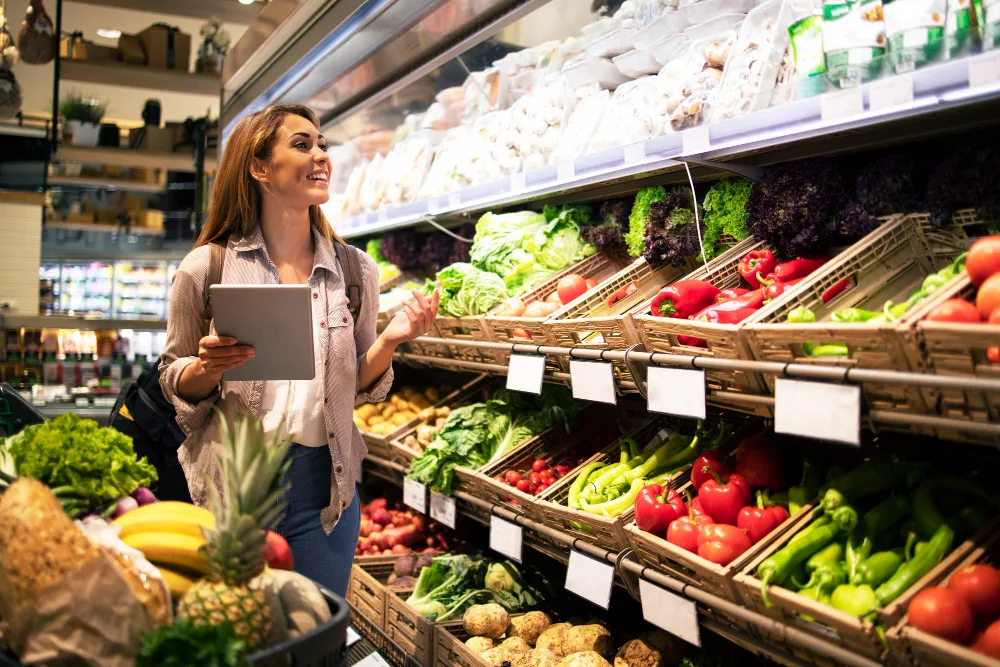
Food safety has been dominating headlines following the recent Cyclospora outbreak. However, most conversations have been at either end of the supply chain—where the outbreak originated from and what consumers can do to keep their produce clean. Fresh produce travels through several layers of the supply chain, and it is important to understand how produce is kept safe in transit.
Wholesale distributors play a critical role in safeguarding produce, whether it is storing product in their warehouse or transporting it to customers. This article breaks down what happens to produce as it makes its way from the farm to consumers' plates.
Maintaining Temperature Control at Every Step
One of the most important factors in protecting produce is to make sure it is stored at an appropriate temperature at every step. This starts with the truck on which the produce is loaded. Trucks are insulated for cold storage and have systems onboard to maintain and record temperature throughout the duration of each trip. Aside from keeping produce cool, this also helps prevent the formation of conditions that can cause produce to spoil or allow bacteria to thrive.
Once the product arrives at a facility, it is then subject to its own temperature test. This step is known as pulping, where the inspection team uses a thermometer to test the inside temperature of the produce. In addition to the air temperature of the truck in which the produce was delivered, this is another step to guarantee that the product maintains freshness while in transit.
Finally, once a distributor receives the product, it is kept in a temperature-controlled storage area set to its specific needs. Wholesale distributors have different zones to house fruit and vegetables to preserve peak freshness until they are ready for delivery.
A Rigorous Inspection Process
Once produce arrives at a wholesale facility, it is subject to a very detailed inspection process. First, the produce itself is temperature-tested and manually reviewed for any defects, such as bruising, decay, discoloration, shriveling, or premature ripeness. Items that do not pass this test are separated from the rest.
In addition to inspecting the commodities themselves, the truck is also subject to a search. Inspectors examine the truck to determine cleanliness and evaluate signs of pests or possible cross-contamination.
Looking for quick answers on food safety topics?
Try Ask FSM, our new smart AI search tool.
Ask FSM →
Lastly, wholesale teams examine the produce packaging. These integrity checks identify any tearing, holes, or signs of water damage or mold in each box or pallet so they can determine if the produce was affected. Inspection teams also check that commodities were properly segregated, making sure that ethylene gas-producing items like apples are not packed alongside sensitive items such as leafy greens.
Data-Driven, Door to Door
Perhaps the most important element when transporting produce is the meticulous documentation of its journey from start to finish. Traceability is crucial in the event of an outbreak, and investigators need to rely on hard data, not assumptions. Traceability is the champion of this data, which encompass detailed records that connect the dots from the end customer back through distribution to the grower, harvester, and specific growing regions or lots.
Staying Prepared
A key facet of any food safety program is making sure it works before implementing it. In the event of an outbreak or recall, a company must ensure that it can conduct traceback quickly and effectively. This underlines the importance of conducting proactive audits, continual employee training, and mock traceback exercises to ensure the system works, while also maintaining sanitation throughout the facility.
Food safety depends on every link in the supply chain. Ensuring that fresh produce reaches consumers safely requires coordination among growers, suppliers, transportation partners, distributors, retailers, and foodservice operators. Strong communication, thorough documentation, and continuous improvement at every stage are essential to maintaining product quality, reducing risk, and strengthening food safety programs.