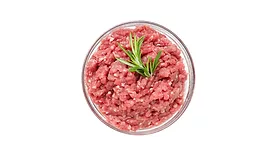
In August, an outbreak of Shiga toxin-producing Escherichia coli O:157 (STEC) infections at Belgian long-term care facilities sickened more than 70 people, resulting in nine deaths. Raw ground beef is the probable vehicle of illness.
A University of Missouri research project is exploring the use of blockchain for improved traceability of food served at restaurants, and increased transparency for diners. The findings suggest that clear traceability information would increase consumers’ confidence in food safety.
LGC Standards has expanded its portfolio of Dr. Ehrenstorfer PFAS testing solutions with new 13C-labeled reference materials developed for EPA Method 1633.
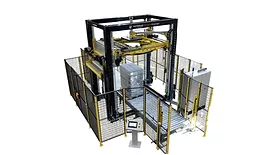
The Octopus Prestige stretch wrapper supports high-speed wrapping performance for end-of-line packaging environments, while improving operational efficiency and reducing material usage.
The EVO 210 is an electric double diaphragm pump designed for general transfer and batching operations, especially in environments where compressed air is unavailable or where increased energy efficiency is required.
Fike Corporation and Hobré International are collaborating to deliver a unified, end-to-end solution that prevents fires and explosions involving spray dryers in the food and beverage industry.
The UK Food Standards Agency (FSA) has reported on the outcomes of the recently concluded, £24 million Pathogen Surveillance in Agriculture, Food, and the Environment (PATH-SAFE) program, and announced that it will continue to build on the work of PATH-SAFE with a national Food Surveillance Program.
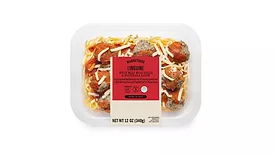
An ongoing outbreak of Listeria monocytogenes infections linked to prepared pasta meals has expanded to 15 states, causing 20 illnesses, 19 hospitalizations, and four deaths. The meals were sold under various brand names at Walmart, Kroger, and Trader Joe’s stores.
The proposal would make changes to six existing Statutory Rules to ensure that food and feed safety and standards requirements continue to be fully enforceable in Northern Ireland, and to correct some minor errors.