The Institute of Food Technologists’ (IFT’s) Food Science Academic Knowledge Base 2025 covers application and enrollment trends, areas of growing and declining interest, and key influences among food science students globally.
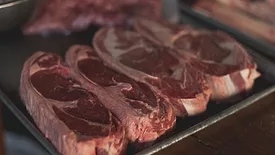
A recent study investigating Listeria monocytogenes in South Korea’s beef supply chain revealed the presence of the pathogen exclusively in retail product samples, underscoring the importance of strict food safety controls post-harvest. The strains isolated were hypervirulent and stress-adapted.
In his veto letter, Gov. Gavin Newsom said he agreed with Senate Bill 682’s goal of phasing-out “forever chemicals” from consumer products, but said the bill would sacrifice Californians' ability to afford household products like cookware.
Envision is a suite of products, services, and solutions designed specifically for drainage systems in new construction projects for the food and beverage manufacturing and processing industry.
Senate Bill 68 (SB 68), titled, the Allergen Disclosure for Dining Experiences Act (ADDE), will apply to chain restaurants with 20 or more locations by January 1, 2026.
According to Rentokil’s State of the Rodent Report, rodent activity is increasing nationwide due to milder winters, rapid construction, and urban population growth. Foodservice and food processing establishments are not immune, threatening food safety and brand reputation.
KROHNE has introduced the OPTIWAVE 1530 and OPTIWAVE 1560 radar Frequency Modulated Continuous Wave (FMCW) level transmitters for solids and liquid applications, including small to tall silos and narrow tanks, delivering accurate, non-contact measurement of solids and liquids.
Thanks to a $200,000 estate gift, the Nettles Cutter Food Safety Endowment will support research in areas of microbial food safety and food safety education.
Consumer Reports is urging FDA to set enforceable limits on lead in protein powders after an in-house investigation revealed high levels of contamination, raising concerns about daily exposure and regulatory gaps in supplement oversight.
In this episode of Food Safety Matters, we speak with Dr. David Dyjack, Executive Director and CEO of the National Environmental Health Association (NEHA), about the multitude of challenges and opportunities facing today’s food safety workforce, along with NEHA’s projections for the future of this workforce.