This episode of Food Safety Five discusses allergen news in the EU, where experts recommend “hidden” food allergens for mandatory labeling, and in the U.S., where USDA-FSIS is adding gluten to its allergen verification activities.
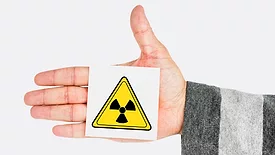
After FDA discovered radioactive isotope Cesium-137 in shipments of shrimp and spices from Indonesia, the Indonesian government launched an investigation and discovered environmental contamination near where the shrimp processor is located. The cause of cloves contamination is not yet determined.
Walmart is the latest company to say it will remove synthetic dyes from its private-label food brands, as well as 30 other additives, including certain preservatives, artificial sweeteners, and fat substitutes.
The resources for industry include updated FAQs and information about how FDA plans to implement the pre-harvest agricultural water provisions of the Food Safety Modernization Act (FSMA) Produce Safety Rule.
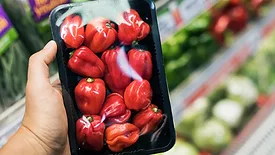
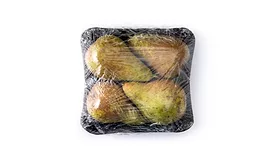
Developed by an industry consortium led by Western Growers and the Canadian Produce Marketing Association, the Roadmap to Sustainable Fresh Produce Packaging offers pragmatic recommendations for transforming packaging practices, based in the holistic concept of “Functional Sustainability.”
A recent survey of UK consumers by the UK Food Standards Agency (FSA) reveals high levels of public confidence in food safety and regulatory oversight, standing in stark contrast to the lack of faith being reported in surveys of U.S. consumers.
After discovering radioactive isotope Cesium-137 in shipments of shrimp and spices from Indonesia, FDA is exercising for the first time a power granted by Congress under the Food Safety Modernization Act (FSMA) to require food safety certification for imports.
A Latin American–Caribbean consortium, aided by FAO, is working toward establishing Codex Alimentarius-aligned maximum residue limits (MRLs) for regionally important veterinary drug residues, advancing food safety.
The UK Food Standards Agency (FSA) has proposed a ban on Bisphenol A, structurally similar analogues, and its derivatives in food contact materials (FCMs), aligning with recently passed EU regulations.
FDA’s Coordinated Outbreak Response and Evaluation (CORE) Investigation Table, which summarizes ongoing and closed foodborne illness outbreak investigations, has been put on pause. Additionally, HHS is set to furlough 41 percent of its employees.
 RSS
RSS