Respondents generally reported sanitation practices intended to minimize water introduction, but opportunities remained to improve relative humidity management, standardize understanding of sanitation breaks, and better characterize the relationship between moisture management and microbial contamination risks.
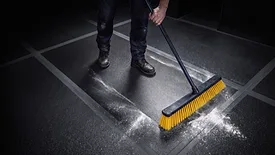
Slipnot Sweep was developed to address challenges associated with cleaning traditional slip-resistant flooring in facilities where wet washdowns or power washing may be limited or restricted, supporting sanitation and worker safety.
The 60-slide course on food safety, personal hygiene, and Good Manufacturing Practices basics is designed to help food businesses efficiently meet FSMA training requirements for personnel involved in food production, packaging, and storage.
Taking place October 13–15, 2026 in State College, Pennsylvania, the opportunity is geared toward those developing in-house food safety programs who want to enhance their knowledge of the science and technology of cleaning, sanitizing, and pest control.
Developing an effective HACCP program requires more than following the seven principles. Management commitment, document control, prerequisite programs, training, and other foundational elements are essential to building and maintaining a robust HACCP system.
Synexis’ DHP technology will be offered through Zee Company as an additional intervention that food and beverage processors can incorporate alongside existing sanitation and pathogen control programs.
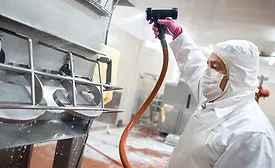
Longer application times, shorter nozzle distances, and spray patterns that deliver sufficient physical force to surfaces may contribute to improved microbial reduction. Sanitizer efficacy experiments could misrepresent real-world sanitation outcomes when shear stress and application time are not considered.
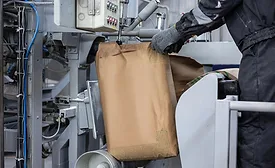
Intended for professional sanitarians, food safety leaders, hygienic design specialists, and managers working in low-moisture food manufacturing, the event will take place October 26–27, 2026 in Beloit, Wisconsin.
The findings suggest that pathogen persistence on plastic food contact surfaces is governed by the combined effects of material composition, engineered surface topography, and microbial ecology rather than any single factor.
In low-moisture food manufacturing, keeping your facility dry is key environmental control, yet many facilities treat water in their environment with a level of complacency that does not match its impact. What is needed is a more disciplined mindset—one that treats water with the same seriousness applied to other high-risk materials, such as glass.
 RSS
RSS