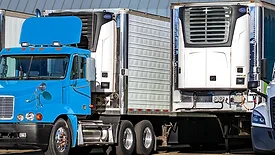
Fleet Refresh allows refrigerated fleets to replace aging transport refrigeration units (TRUs) on existing trailers as an alternative to replacing entire trailers, which may reduce acquisition costs compared to a standard new TRU installation.
The device monitors temperature and humidity in the cargo area and trailer door activity for reefer fleets transporting temperature-sensitive or high-value goods.
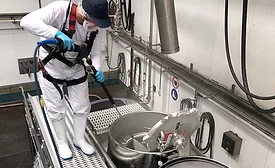
The transportation of bulk food within supply chains presents unique risks, particularly regarding the cleaning processes between loads in different countries and organizations
As a nonprofit association, ENFIT has developed several guidelines to ensure a safe supply chain, including the HQF Certification Scheme (for the certification of transport cleaning stations) and Transport Hygiene Risk Analysis (THR Analysis).
Supporting food businesses, grocers, distributors, and other industries handling perishables, SeaCube Cold Solutions gives businesses across the U.S. the option to rent or purchase refrigerated containers, also known as “reefers,” for temperature-sensitive goods.
Nelson-Jameson has announced a new partnership with Bonar Plastics to create and utilize new, reusable shipping containers when delivering dsm-firmenich cultures, which are biological catalysts for dairy food production.
The Giesecke+Devrient (G+D) Smart Label is a new, IoT-based location tracking solution for monitoring parcel delivery and shipping, fleet management, and the movement of goods.
Evigence’s Freshness Management Platform with FreshSense™ is now available, offering food companies and cold chain transporters unit-level, data-driven freshness insights using patented, chemistry-embedded QR code sensor technology.
The Move to -15 °C—an industry effort to lower frozen food storage and transportation temperature standards—is gaining steam. The group says a 3 °C reduction would significantly increase environmental sustainability without compromising food safety.
Forward processing of leafy greens crops does not significantly increase the food safety risk posed by Escherichia coli, suggests a recent study led by a USDA Agricultural Research Service (USDA-ARS) scientist and funded by the Center for Produce Safety.