Receiving: The First Line of Defense for Food Safety
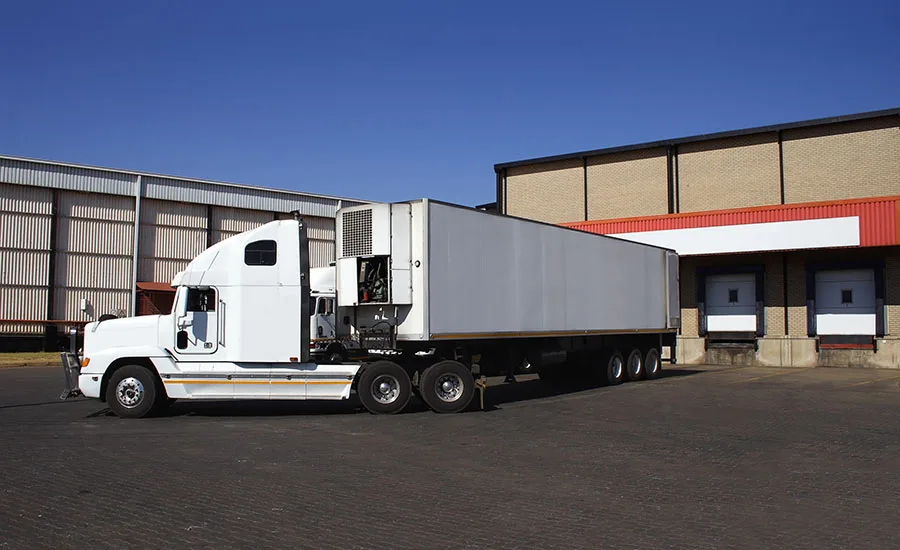
Need to Know
- A comprehensive receiving program is a food processor's first line of defense against food safety and security risks
- Incoming shipments must be verified against shipping documentation, including seal integrity, product identity, lot numbers, and approved supplier facilities
- Receiving inspections should address potential contamination, tampering, pest activity, temperature deviations, and other transportation-related hazards before unloading
- Special receiving procedures are necessary for allergen-containing materials, bulk tanker deliveries, and less-than-truckload shipments
- Documented procedures, accurate recordkeeping, and personnel training are essential to an effective receiving program
All food processors need to develop, document, implement, and maintain procedures for receiving raw materials, ingredients, chemicals, and packaging materials. Receiving is the operation's first line of defense. How the program is designed depends partly on how the facility is designed. Some facilities have separate shipping and receiving docks. Others may be completely fenced, and a delivery truck must pass through a guarded gate. In this latter situation, the guard often serves as an integral element of the receiving team. They may be asked to verify that the vehicle is on the schedule and check the driver's license, as well as verify that the seal matches the bill of lading. The guard may then direct the truck driver to a specific dock.
This article discusses essential elements of a safe and secure receiving program, including procedures for verifying incoming shipments, inspecting transportation vehicles and materials, managing special handling requirements, and maintaining proper documentation and personnel training.
Verifying Incoming Shipments and Supplier Approval
One of the most important points has already been mentioned—that any incoming containers and tankers must be sealed. The seal(s) must match the seal number(s) on the bill of lading (BOL). If the seal has been compromised or does not match the BOL, then the load must be placed on hold and evaluated, and management should be immediately notified. It must not be unloaded, as that may be considered as acceptance of the load. A truck that makes multiple deliveries may have a different seal placed on the van after each delivery. The new seal number must be noted on the paperwork.
The incoming shipment must also match the information on the BOL. This includes the product(s), the quantities of each product, and lot numbers. The product must also be delivered from an approved facility. Larger companies may manufacture the same item at multiple plants, but not all of these operations may be approved by the receiving company's vendor quality program. In the past, companies have needed to conduct recalls because the right goods were delivered from the wrong plant (i.e., an unapproved facility). The quantity of each product and lot number must be entered into inventory for use in production operations and traceback.
Inspecting Incoming Loads for Food Safety and Security Risks
Another element of the receiving program is the inspection. The incoming load must be inspected for condition of the container, pest infestation, evidence of damage or tampering, spills, off-odors, and transport of non-food items. This last point is becoming increasingly important. Some operations mandate that the carrier provide documentation that its past loads were all foods or food ingredients.
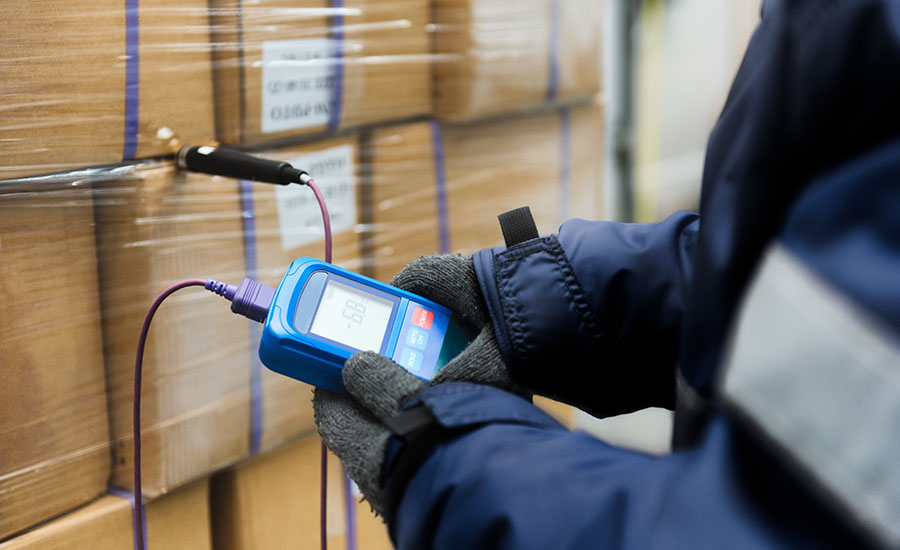
Temperatures of temperature-sensitive materials must also be tested per a documented procedure. The condition and temperature of each incoming load should be recorded as part of the contract with the supplier (Figure 1). If deviations from established practices or requirements are noted, management must be notified and will determine whether the load should be rejected, in accordance with the company's receiving procedures. This decision must be made before anything is unloaded. If the vehicle is unloaded and then rejected, that creates another problem.
The company should also develop an inbound trucking checklist, as shown in Table 1. This will allow the company to maintain a record of each and every delivery.
Looking for quick answers on food safety topics?
Try Ask FSM, our new smart AI search tool.
Ask FSM →
Table 1. Example inbound trucking security checklist (Image credit: R. Stier)
INBOUND TRUCKING SECURITY CHECKLIST | ||||||
DATE |
TIME |
|||||
CARRIER |
LICENSE PLATE |
DRIVER AND LICENSE NO. |
||||
LOADING ZONE |
CHECKED BY |
|||||
COA / PRODUCT / LOT | ||||||
COA VERIFICATION? CHECK ONE | ||||||
|
RECEIVED AND FILED
|
TO BE RECEIVED ON / BY [DATE / RECIPIENT] |
NOT RECEIVED |
||||
PRODUCT AND LOT VERIFICATION? YES / NO | ||||||
|
PRODUCT DESCRIPTION
|
LOT NUMBER(S) |
|||||
DELIVERY VEHICLE / TRAILER | ||||||
Are the compartment door seals intact and trailer locked? Check One | ||||||
YES |
BROKEN |
MISSING |
||||
If the seals are missing, was the container a LESS-THAN-TRUCKLOAD (LTL) shipment? Yes / No | ||||||
Seal Number(s) | ||||||
Is the trailer free of pests? Check One | ||||||
Yes |
No |
|||||
Is the trailer clean and in good condition? Check One | ||||||
Yes |
No |
|||||
Does the trailer show any evidence of unusual material or off-odors? If so, describe | ||||||
|
| ||||||
Does the trailer show any evidence that it was used to transport any harmful non-food items or waste products? Check One | ||||||
Yes |
No |
|||||
Is the integrity of the load intact? Check One | ||||||
Yes |
No |
|||||
REFRIGERATED / FROZEN DELIVERIES | ||||||
If the trailer is delivering refrigerated or frozen items, is the refrigeration unit ON and is the trailer cold? Check One | ||||||
Yes |
No |
|||||
If the trailer is delivering refrigerated or frozen items, is there a functioning temperature recorder that shows temperatures were maintained during shipment? Check One | ||||||
Yes |
No |
|||||
TEMPERATURE VERIFICATION (RECORD TEMPERATURE AT TIME OF DELIVERY) | ||||||
ACCEPTANCE / REJECTION | ||||||
Container Accepted |
Container Rejected |
|||||
|
Reason for rejection
| ||||||
Certificates of Analysis, Allergen Management, and Special Deliveries
Many products require that a Certificate of Analysis (COA) be included with or before the delivery. In these cases, companies typically establish policies requiring that a lot either be rejected if the COA is unavailable or be placed on hold pending receipt and review of the document. Most operations try to avoid the latter situation.
The COA must be reviewed to ensure the lot is within established specifications. If a COA is required, the supplier and buyer need to work together to ensure that the COA is delivered to the proper person. Loads have been rejected because the COA was sent in advance to the wrong person or someone who was out of office. The document must be delivered to someone who can ensure that the receiving team gets the paperwork.
The receiving crew also plays a role in the company's allergen management program. If the inbound shipment contains products with food allergens, then those pallets, totes, or bins must be tagged with an allergen label. Materials containing allergens must be stored in a designated area according to the allergen management procedures.
Many of the ingredients and other materials coming into a facility arrive in bulk containers or tanker trucks. Bulk ingredients arriving in tankers must have proper tamper-evident seals and current wash tags from approved wash stations, be received in approved food-grade tankers, and meet all other requirements. Guidance developed by the Juice Products Association for tanker washing and receipt may be used.
One issue that must be addressed by the receiving team is less-than-truckloads (or LTL) deliveries. These items must be in tamper-evident packaging and match the BOL. If the packaging has been compromised, the product must be rejected.
Receiving Documentation and Personnel Training
It is imperative that the receiving team work with the document management team to ensure that there are records of all receipts and dispositions. In addition, there must be documented procedures on how each of the elements noted above must be properly handled. All receiving dock workers and supervisors responsible for receiving, conducting inspections, and unloading of incoming loads must be trained on the documented procedures, and that training must be documented.
Managing Truck Driver Access and Facility Security
A last element that the company should develop and implement is a program and facilities for all truckers delivering or picking up loads. When a truck driver parks their vehicle at a dock, they need to report to the shipping office immediately. They should remain in their vehicle or wait in a designated area adjacent to the shipping office until they are invited in. The waiting area should be secure, allow access to the shipping office, have restrooms and vending machines, and be a place where the truck driver can wait comfortably.
Some truck drivers may wish to examine their load at the dock. If they request to do so, they must be escorted from the office to the dock. If they enter the facility, they must review company policies regarding food safety and sanitation and wear proper personal protective equipment (PPE).
Food processors should consider these elements when developing, documenting, implementing, and maintaining their receiving programs. Procedures must be adapted to each operation based on factors such as facility layout, incoming materials, and processing activities. A well-designed receiving program serves as the operation's first line of defense against food safety and security risks.