Study Identifies Optimal Poultry Transport Cage Washing Conditions to Reduce Salmonella
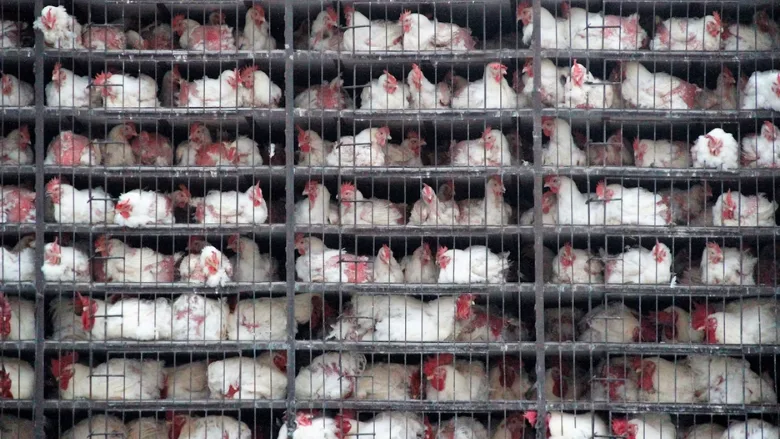
A new study published in Hygiene and led by the University of Córdoba identified optimal washing temperatures and detergent concentrations for poultry transport cages to reduce Salmonella contamination in slaughterhouses while lowering detergent use.
The researchers evaluated six industrial-scale washing conditions for turkey transport cages using different water temperatures (40 °C, 45 °C, and 60 °C) and alkaline chlorinated detergent conductivity ranging from 0–4 milliSiemens per centimeter (mS/cm). They assessed Salmonella presence, mesophilic aerobic bacteria (MAB), and Enterobacteriaceae before and after washing at the beginning, middle, and end of a processing day.
Optimal Washing Temperature and Detergent Concentration
The researchers found that washing cages at 60 °C with a detergent conductivity of 2 mS/cm completely eliminated detectable Salmonella from all samples while achieving substantial reductions in indicator microorganisms. Increasing detergent conductivity to 4 mS/cm did not improve microbiological outcomes, suggesting that higher chemical concentrations provide no additional benefit under the tested conditions.
By comparison, washing without detergent or at lower temperatures produced inconsistent results. Water alone at 40 °C or 60 °C reduced contamination but did not consistently eliminate Salmonella, and treatments performed at 45 °C showed variable performance throughout the production day. According to the researchers, these findings demonstrate a synergistic effect between washing temperature and detergent concentration, rather than either factor alone determining cleaning effectiveness.
Under optimal washing conditions, MAB counts were reduced by an average of nearly 3 logs and Enterobacteriaceae by approximately 2.5 logs. The researchers also observed reductions of up to 3–5 logs for indicator microorganisms under optimal conditions, with Enterobacteriaceae showing greater sensitivity to the treatments than total aerobic bacteria.
Implications for Industry
Transport cages are recognized as a potential source of cross-contamination in poultry slaughterhouses because they can carry fecal material and pathogens between flocks if not effectively cleaned. The authors noted that optimizing cage washing can strengthen prerequisite cleaning and sanitation programs within Hazard Analysis and Critical Control Points (HACCP) systems and help reduce Salmonella transmission early in poultry processing.
The researchers also emphasized that the identified washing parameters may improve operational efficiency by reducing detergent consumption without compromising hygiene performance. They noted that avoiding unnecessarily high detergent concentrations could lower costs and help preserve galvanized cage materials by limiting corrosion associated with more aggressive cleaning conditions.
Looking for quick answers on food safety topics?
Try Ask FSM, our new smart AI search tool.
Ask FSM →