Food Safety
search
Ask Food Safety AI
cart
facebook twitter linkedin instagram youtube
  • Sign In
  • Create Account
  • Sign Out
  • My Account
Food Safety
  • NEWS
    • Latest News
    • White Papers
  • PRODUCTS
  • TOPICS
    • Contamination Control
    • Food Types
    • Management
    • Process Control
    • Regulatory
    • Sanitation
    • Supply Chain
    • Testing and Analysis
  • PODCAST
  • EXCLUSIVES
    • Food Safety Five Newsreel
    • eBooks
    • FSM Distinguished Service Award
    • Interactive Product Spotlights
    • Videos
  • BUYER'S GUIDE
  • MORE
    • NEWSLETTERS >
      • Archive Issues
      • Subscribe to eNews
    • Store
    • Sponsor Insights
    • ASK FSM AI
  • WEBINARS
  • FOOD SAFETY SUMMIT
  • EMAG
    • eMagazine
    • Archive Issues
    • Editorial Advisory Board
    • Contact
    • Advertise
  • SIGN UP!
NewsRegulatoryMeat/PoultryUSDA

USDA Announces New Comprehensive Efforts to Reduce Salmonella Illnesses Linked to Poultry
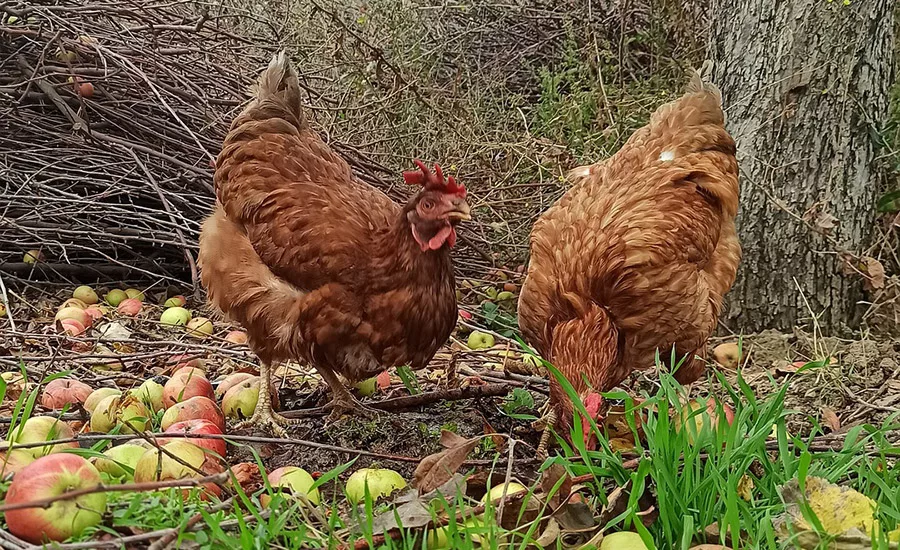
brown chickens, generic
October 19, 2021

The U.S. Department of Agriculture's (USDA) Food Safety and Inspection Service (FSIS) has revealed that it will be mounting a stronger and more comprehensive effort to reduce Salmonella illnesses associated with poultry products. USDA is starting several key activities to gather information and data necessary to support future action, with the goal of moving closer to the national target of a 25 percent reduction in Salmonella illnesses.

Chicago-based STOP Foodborne Illness, the national public health nonprofit, was instrumental in driving the agency’s action and developing a coalition of organizations and advocates that petitioned the government to take action.  

More than 1 million consumers contract Salmonella annually, and it is estimated that over 23 percent of those are due to consumption of chicken and turkey. 

Actions that USDA plan on undertaking include seeking stakeholder feedback on specific Salmonella control and measurement strategies, including pilot projects, in poultry slaughter and processing establishments. Key to this approach will be encouraging preharvest controls to reduce Salmonella contamination coming into the slaughterhouse. The data generated from these pilots will be used to determine if a different approach could result in a reduction of Salmonella illness in consumers.

Due to this, USDA will be able to leverage its research capabilities and strengthen FSIS' partnership with the Research, Education and Economics mission area to address data gaps and develop new laboratory methods to guide future Salmonella policy. In the meantime, the National Advisory Committee for Microbiological Criteria in Foods, an independent federal advisory committee, will advise on how FSIS can build on the latest science to improve its approach to Salmonella control. The quantity of bacteria, as well as the presence or absence of Salmonella, can impact the likelihood of illness, so FSIS will examine how quantification can be incorporated into this approach. In addition, with emerging science suggesting that not all Salmonella are equally likely to cause human illness, FSIS will focus on the Salmonella serotypes and the virulence factors that pose the greatest risk to public health. 

The new initiatives will be under the supervision of USDA Deputy Under Secretary Sandra Eskin, who said, “Reducing Salmonella infections attributable to poultry is one of the department’s top priorities. Time has shown that our current policies are not moving us closer to our public health goal. It’s time to rethink our approach.”

Going forward, this initiative will require collaboration and ongoing dialogue with stakeholders—industry, consumer groups, and researchers alike. USDA looks forward to working closely with stakeholders on informing and implementing key activities of this framework in the very near future.


Related: Poultry Companies Join with Consumer Groups to Demand Updated Poultry Food Safety Standards 

Looking for quick answers on food safety topics?
Try Ask FSM, our new smart AI search tool.
Ask FSM →


KEYWORDS: Salmonella

Share This Story

Recommended Content

JOIN TODAY
to unlock your recommendations.

Already have an account? Sign In

  • people holding baby chicks

    Serovar Differences Matter: Utility of Deep Serotyping in Broiler Production and Processing

    This article discusses the significance of Salmonella in...
    Testing & Analysis
    By: Nikki Shariat Ph.D.
  • woman washing hands

    Building a Culture of Hygiene in the Food Processing Plant

    Everyone entering a food processing facility needs to...
    Food Prep/Handling
    By: Richard F. Stier, M.S.
  • graphical representation of earth over dirt

    Climate Change and Emerging Risks to Food Safety: Building Climate Resilience

    This article examines the multifaceted threats to food...
    International
    By: Maria Cristina Tirado Ph.D., D.V.M. and Shamini Albert Raj M.A.
Manage My Account
  • eMagazine Subscription
  • Subscribe to Newsletters
  • Manage My Preferences
  • Website Registration
  • Subscription Customer Service

More Videos

Sponsored Content

Sponsored Content is a special paid section where industry companies provide high quality, objective, non-commercial content around topics of interest to the Food Safety Magazine audience. All Sponsored Content is supplied by the advertising company and any opinions expressed in this article are those of the author and not necessarily reflect the views of Food Safety Magazine or its parent company, BNP Media. Interested in participating in our Sponsored Content section? Contact your local rep!

close
  • NEVIFIT 3 Compartment BPA-FREE
    Sponsored byCorbion

    The Risks of Ready-to-Eat: Five Ways to Protect Today's Prepared Meals

  • a group of workers in a food production facility
    Sponsored bySkillUp by Registrar Corp

    How to Build a Better Training Program: Data and Insights from the Global Food Safety Training Survey

  • the use of dual-energy X-ray food inspection technology to identify foreign contaminants.
    Sponsored byEagle by METTLER TOLEDO

    Precision Inspection Starts with the Right X-ray Detector

Popular Stories

green powder/moringa in wooden mortar

FDA Opens Third Salmonella–Moringa Outbreak Investigation of the Year

FoodSafetyMattersFinal-900x550-(002).jpg

Ep. 218. Dr. Brady Carter: Water Activity, Shelf-Life Validation, and Food Safety Controls

fermented meat

Study is First to Analyze Trends in Foodborne Illness Outbreaks Linked to Non-Dairy Fermented Products

a practical guide to spoilage investigation webinar

Events

June 4, 2026

Building a Stronger Food Safety Program in a Changing GFSI Landscape

Live: June 4, 2026 at 11:00 am EDT: Attend this webinar to understand how GFSI requirements are evolving and what those changes signal for quality programs at food and beverage facilities.

June 10, 2026

A Practical Guide to Spoilage Investigation and Prevention

Live: June 10, 2026 at 11:00 am EDT: Join this webinar to learn how to identify spoilage root causes, reduce risk, and apply data-driven strategies for prevention.

June 16, 2026

Sustainable Food Contact Materials: Where Regulation Meets Analytical Testing

Live: June 16, 2026 at 11:00 am EDT: This webinar explores how sustainability regulations are changing food contact material requirements, including packaging compliance, unintended substances, and per- and polyfluoroalkyl substances.

View All

Products

Global Food Safety Microbial Interventions and Molecular Advancements

Global Food Safety Microbial Interventions and Molecular Advancements

See More Products

Related Articles

  • fried chicken on a fork

    Perdue Farms Funds Research on Strategies to Reduce Salmonella Illnesses Caused by Poultry

    See More
  • USDA Reveals New Safety Measures to Reduce Salmonella and Campylobacter in Poultry

    See More
  • FSIS Releases Comprehensive Strategy to Reduce Salmonella

    See More

Related Products

See More Products
  • 1118474600.jpg

    Practical Food Safety: Contemporary Issues and Future Directions

  • 1119258073.jpg

    FSMA and Food Safety Systems: Understanding and Implementing the Rules

  • 1119053595.jpg

    Food Safety for the 21st Century: Managing HACCP and Food Safety throughout the Global Supply Chain, 2E

See More Products

Related Directories

  • Food Safety News

    Food Safety News advances public health by delivering timely, accurate, and comprehensive coverage of foodborne illness outbreaks, recalls, and regulatory developments that impact the safety of our global food supply.
  • PLM TrustLink

    PLM TrustLink® is a comprehensive software platform for tracking & tracing food throughout the supply chain. From origin to destination, PLM TrustLink® utilizes unique product markers to provide transparency, traceability, and trust of key date elements through critical tracking events. The PLM TrustLink® solution delivers real-time actionable data to improve operational efficiency, food safety and regulatory compliance for customers.
×

Never miss the latest news and trends driving the food safety industry

Newsletters | Website | eMagazine

JOIN TODAY!
  • RESOURCES
    • Advertise
    • Contact Us
    • Directories
    • Store
    • Want More
  • SIGN UP TODAY
    • Create Account
    • eMagazine
    • Newsletters
    • Customer Service
    • Manage Preferences
  • SERVICES
    • Marketing Services
    • Reprints
    • Market Research
    • List Rental
    • Survey/Respondent Access
  • STAY CONNECTED
    • LinkedIn
    • Facebook
    • Instagram
    • X (Twitter)
  • PRIVACY
    • PRIVACY POLICY
    • TERMS & CONDITIONS
    • DO NOT SELL MY PERSONAL INFORMATION
    • PRIVACY REQUEST
    • ACCESSIBILITY

Copyright ©2026. All Rights Reserved BNP Media, Inc. and BNP Media II, LLC.

Design, CMS, Hosting & Web Development :: ePublishing