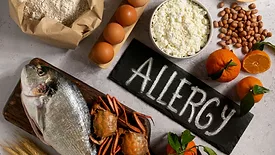
During the 49th Meeting of the Codex Committee on Food Labeling (CCFL49), guidelines on risk-based precautionary allergen labeling, labeling for multipack foods, and emergency flexible labeling were recommended for adoption. CCFL also declined a proposal to initiate work related to ultra-processed foods.
Acrylerase, developed by Kerry Group, is an amidase food enzyme that hydrolyzes acrylamide, and is the first commercially available food enzyme designed to directly decompose the process contaminant after it has formed.
Drawing from EFSA risk assessments, OpenFoodTox provides structured summaries of hazard information for thousands of individual substances, including food additives and flavorings, pesticides, contaminants, and food contact materials.
Based on the results of testing more than 125,000 food samples collected across Europe, compliance with EU pesticide maximum residue levels remains high, reported the European Food Safety Authority (EFSA).
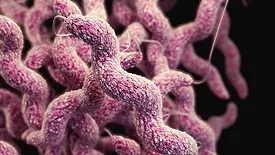
The action plan would outline strategies to mitigate Campylobacter and reduce cases of foodborne illness. Those who are interested in contributing to the development of the action plan are invited to register to receive communications about stakeholder engagement.
None of the exposures to the five additives and flavorings assessed presented a health concern for the EU population. The pilot helped identify shortcomings in the monitoring framework that will be rectified for future reports.
Improvements in national food safety infrastructure by the 17 countries included in the analysis would cost an estimated $492 million USD over ten years, but would avert 19 million cases of foodborne illness and 13,000 associated deaths, generating a value of $23 billion.
According to the European Commission, NGTs have the potential to contribute to sustainable agri-food systems and help respond to food security challenges. The new rules would separate plants developed through NGTs from legislation applying to GMOs.
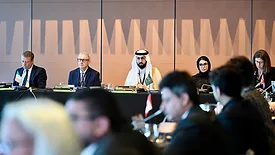
The Seventh Annual Meeting of the International Heads of Food Agencies Forum (IHFAF), a summit convening the heads of international food safety agencies and senior representatives from the Codex Alimentarius Commission, concluded in Auckland, New Zealand, on April 24.
Novel foods approved for import and sale in Singapore include cultivated chicken and quail, mycoprotein, algal and fungal biomasses, precision-fermented sodium salts, and other foods.
 RSS
RSS