After reviewing a study suggesting that glyphosate causes cancer even at levels below those considered “safe” by EU regulatory agencies, the European Chemicals Agency stood by its 2022 hazard assessment decision that the herbicide does not warrant a classification for carcinogenicity.
Prompted by a global food safety incident and infant formula recalls spanning 99 countries, the European Commission has drafted a regulation that would set a limit of 1 µg/kg cereulide toxin in dried formula products. The draft regulation is open for public feedback.
A total of 68.8 percent of vendors were noncompliant with Food Safety and Standards Authority of India (FSSAI) regulatory requirements. Only 21.8 percent of participating vendors reported having received any food safety training.
Regulation (EU) 2026/1825 expands MLs for 3-monochloropropanediol (3-MCPD) and glycidyl fatty acid esters, and Regulation (EU) 2026/1890 establishes new MLs for furan, 2-methylfuran, and 3-methylfuran.
Regulation (EU) 2025/179, which came into effect on August 23, requires EU Member States to conduct WGS on five key pathogens during foodborne illness outbreak investigations. An interview with EFSA’s Dr. Frank Verdonck unpacks the new rule and previews the upcoming Science Meets Policy conference.
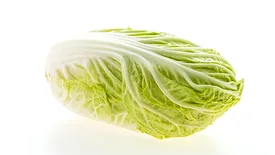
After an online video surfaced showing the illegal use of formaldehyde to preserve cabbage by a wholesaler, Chinese authorities launched an investigation, confirmed the practice, and ordered nationwide inspections of fresh produce.
A vehicle of illness has not yet been definitively confirmed, but according to UKHSA, epidemiological evidence points to egg consumption as the strongest food signal identified to date.
The microbiological quality of most ready-to-eat (RTE) plant-based meat, dairy, and fish substitutes was satisfactory, but elevated levels of pathogens and indicators in some commodities raised process and hygiene concerns. An analysis of the products’ physico-chemical properties suggested they could support microbial growth.
Ten Latin American countries are developing national initiatives to strengthen food safety systems by integrating risk analysis into public policy and regulatory decision-making, through a regional project led by UN organizations and assisted by the University of Minnesota.
Going beyond the “ultra-processed foods” debate, the proposal, submitted by observer organization IFT, asks Codex to develop a framework to discern which foods are promoting chronic disease risk from those that are not, building upon existing Codex food categories and risk analysis methods.
 RSS
RSS