In this episode of Food Safety Matters, we talk with Susan Mayne, Ph.D., Director of the Center for Food Safety and Applied Nutrition (CFSAN) at the U.S. Food and Drug Administration (FDA). Dr. Mayne discusses the work she oversees at CFSAN, such as implementing guidances and policies related to FSMA and the Closer to Zero initiative, as well as her perspective on the future of human foods regulation at FDA amid a proposed reorganization of the Foods program. Additionally, Bob Ferguson, President of Strategic Consulting Inc., speaks about his latest Food Safety Insights column on how food processors are preparing to comply with the FSMA Food Traceability Final Rule.
Despite the infant formula crisis, the U.S. Food and Drug Administration’s (FDA’s) Foods Program achieved several goals in 2022 related to the Food Safety Modernization Act (FSMA), the New Era of Smarter Food Safety, the Closer to Zero initiative, and modernization.
The U.S. Food and Drug Administration (FDA) released a list of draft and final guidance topics that are a priority for the FDA Foods Program to complete within the next 12 months.
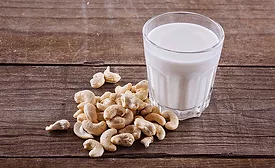
The U.S. Food and Drug Administration (FDA) has announced draft recommendations for industry on the naming of plant-based foods that are marketed and sold as alternatives to milk.
A group of non-government organizations have recently expressed concerns and raised questions about the U.S. Food and Drug Administration’s (FDA’s) vision for restructuring its Human Foods Program and Office of Regulatory Affairs (ORA).
The U.S. Food and Drug Administration (FDA) signed a domestic mutual reliance partnership agreement with the New York Department of Agriculture and Markets (NYSAGM), enhancing regulatory cooperation and collaboration between FDA and New York to ensure food safety.
The U.S. Food and Drug Administration’s (FDA’s) 2022 Food Code clarifies that food donations from retail food establishments are acceptable, given that proper food safety practices are followed.
What are food processors doing to prepare for compliance with the FDA Food Traceability Rule in 2026, and how do they see it affecting their businesses?
In November, the U.S. Food and Drug Administration (FDA) released its new Food Traceability Rule. The rule will apply to companies that manufacture, process, pack, or hold food on FDA's Food Traceability List (FTL), but the rule will have a wide-reaching impact on processors and suppliers that work with other foods, too. We surveyed and interviewed food processors in the U.S./Canada and around the world to get their thoughts on this new rule and how it will impact their businesses.
Since 2000, outbreaks have been attributed to fresh, soft Queso Fresco-type cheeses made from pasteurized milk, which have been contaminated by L. monocytogenes after pasteurization
This article presents the key findings of outbreak investigations from 2014–2021 that have been linked to the consumption of fresh, soft queso fresco-type cheeses in the U.S. The authors outline some of the specific circumstances that small manufacturers of all cheeses may encounter in an effort to provide lessons learned and highlight available resources.
This article looks back at the events of the 1993 E. coli outbreak associated with hamburgers served at Jack in the Box restaurants along the U.S. West Coast, examining the regulatory changes inspired by the fatal outbreak and its impact. Also discussed are the corporate and industry changes, spearheaded by Dr. David Theno, that set new standards for leadership and management in foodservice and food safety.