FDA has released its Food Code Adoption Report, which states that, as of December 31, 2023, only three U.S. states and two territories have adopted the most recent version (2022).
In the second of this two-part episode of Food Safety Matters, we interviewed professionals from the industry, regulatory, and nonprofit sectors, live from the show floor of the Food Safety Summit, which took place on May 6–9 in Rosemont, Illinois. We discussed women in food safety, allergen control, the future of auditing, and more.
The Global Retailer and Manufacturer Alliance (GRMA) Inc. Certification Program Version 1.2 has received recognition against the Forum’s Global Food Safety Initiative (GFSI) Benchmarking Requirements.
The U.S. Department of Agriculture (USDA) has awarded $611,000 to University at Albany researchers to develop a rapid, portable, colorimetric Salmonella detection kit for food products.
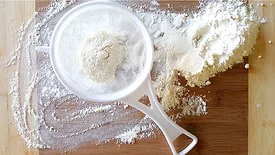
As part of the U.S. Food and Drug Administration’s (FDA’s) continued efforts to more systematically and transparently review and regulate food additives, the agency has reassessed and revoked the Generally Recognized as Safe (GRAS) determination for tara flour. The ingredient is not authorized for use in food.
The European Commission has updated its internal guidance document on the implementation of its regulations on the hygiene of food of animal origin, to clarify how cultivated meat, insects, and other foods for which no detailed requirements are established should be regulated in accordance with the provision’s requirements.
The U.S. Environmental Protection Agency (EPA) has proposed to cancel all agricultural uses of the pesticide acephate due to dietary risks from drinking water for currently registered uses of the chemical.
In the first of this two-part episode of Food Safety Matters, we interviewed professionals from the industry, regulatory, and nonprofit sectors, live from the show floor of the Food Safety Summit, which took place on May 6–9 in Rosemont, Illinois. We discussed food safety culture, food safety regulation for cannabis-infused edibles, traceability, legacy facilities and equipment, and more.
To protect the health of young children, the Baby Food Safety Act of 2024 has been introduced in U.S. Congress to give FDA the authority to enforce scientifically established limits on heavy metals in commercially produced infant and toddler food.
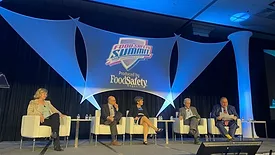
Thursday morning at the 2024 Food Safety Summit (FSS), top U.S. food safety regulators and public health officials took the stage for an interactive Town Hall discussion.
 RSS
RSS