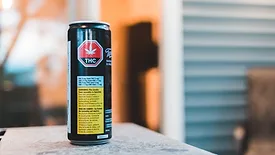
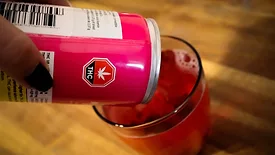
The legislation comes ahead of an impending end-of-year deadline set in the FY 2026 appropriations bill that is expected to remove most currently marketed intoxicating, hemp-derived THC beverages from the legal market by the end of 2026 through the closure of a loophole created by the 2018 Farm Bill.
The findings from a pre-competitive, industry–academia research collaboration provide a scientific foundation for discussions on quality standards and risk management in the plant-based dairy-alternative beverage sector.
The Sennoselect Flagship Brewery Program is intended to support the development of fermentation intelligence technology. Participating craft breweries will receive early access to new technologies.
The Brix level for Florida oranges has been steadily declining over the past few decades due to severe weather and citrus greening, making it challenging to meet the original Standard of Identity (SOI) for pasteurized orange juice, which was established in 1963.
The 2018 Farm Bill legalized the sale of hemp-derived products containing no more than 0.3 percent delta-9 THC, allowing a “legal” edibles and beverage market to emerge. The 2025 government shutdown reconciliation bill closed this “loophole,” effective in November.
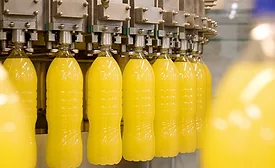
In aseptic systems, product sterilization is only one part of a much larger control strategy. FDA's Acidified and Low-Acid Canned Foods framework outlines the regulatory requirements for producing aseptic products, but a functioning system also depends on effective sanitation, strong control of ingredients and packaging materials, and robust maintenance.
Although the levels of gluten in analyzed samples fell below EU limits, the results from conventional ELISA tests differed from those of a new, more sensitive method. Combining established rapid testing methods with advanced mass spectrometry techniques could potentially improve future detection capabilities.
Health Canada has announced the transition of sports electrolyte products from the Natural Health Product (NHP) regulatory framework to the food regulatory framework.
According to Austra Juice, the process lowers sugar and calories by at least 30 percent while maintaining the juice’s flavor profile, allowing beverage companies to label resulting products as “reduced-sugar fruit juice from concentrate.”
 RSS
RSS