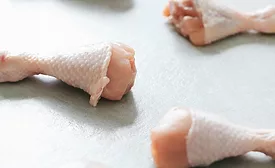
While most businesses in the food processing industry have detailed procedures, standards, and best practices to ensure food safety, Cut Fresh LLC has learned via experience that having a hands-on approach is what makes food safety achieve success, in addition to established procedures and practices.
Companies such as The Kraft Heinz Company, Tyson Foods and Mars have made similar announcements as the Trump Administration prioritizes phasing out synthetic dyes from the U.S. food supply and scrutinizes food additives generally.
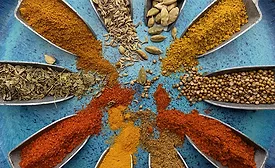
By integrating regulatory mandates with strong internal controls and industry best practices, spice manufacturers can enhance food safety and maintain the integrity of their products
Spices are sourced from various regions worldwide, often involving multiple suppliers, diverse agricultural practices, and differing regulatory standards. These complexities increase the risk of contamination, adulteration, and foodborne illnesses. Effectively managing these risks requires a thorough understanding of the international supply chain and the vulnerabilities that exist at each stage.
The fiscal 2026 budget request from the U.S. Department of Health and Human Services touches on infant formula, ultra-processed foods, and other HHS priorities that Food Safety Magazine has reported on.
As part of the educational campaign, the New York State Department of Agriculture and Markets (AGM) has been releasing a series of social media posts this week to showcase the work conducted by department staff to ensure the state’s food supply is safe.
The bill’s passage by the California State Assembly comes on the heels of two other food safety-related bills authored by Assemblymember Jesse Gabriel and passed into law.
A key component of the project was a field and laboratory study conducted to assess the presence and potential transmission of AMR Campylobacter and Escherichia coli during the processing of chicken in two similar-sized, large-scale UK chicken processing sites.
As of May 30, 45 people across 18 states have been infected, compared to 26 people across 15 states who had been infected with the outbreak strain of Salmonella as of May 19.
The news comes on the heels of the Trump Administration’s “Make America Healthy Again” (MAHA) Report specifically citing titanium dioxide as a food chemical potentially having harmful effects on health.
 RSS
RSS
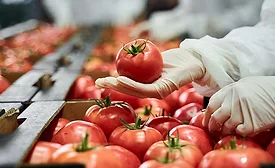



.webp?height=168&t=1750181838&width=275 "red-fresh-tomatoes-in-cardboaard-boxes")