While New World screwworm (NWS) itself does not pose a food safety risk in edible meat or poultry products, residues from veterinary drugs used to treat and prevent infestations of NWS are potential chemical hazards.
Modern food facilities are spaces where small structural gaps around utilities and loading areas can create hidden rodent pathways, making exclusion and digital monitoring necessary.
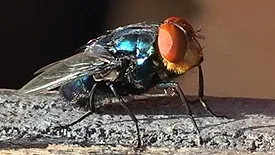
In this bonus episode of Food Safety Matters, we speak to Elanco Poultry Food Safety’s Dr. Alissa Welsher about why fly pressures increase during warmer months, the risks flies can pose within poultry operations, and how producers can proactively address flies through integrated pest management (IPM) strategies.
The Pest Management Pyramid graphic is a great tool for visualizing the integration of tactics toward the goal of preventative and sustainable pest management programs at food processing facilities. IFC has the expert knowledge your food safety program needs.
With warmer weather comes increased pest pressures, threatening flock health and food safety in pre-harvest poultry operations. Insects and rodents act as vectors for pathogens, making robust integrated pest management, complemented by effective chemical control, essential to reducing contamination risks.
In this bonus episode of Food Safety Matters, we speak to Dr. Alissa Welsher, Senior Consultant at Elanco Poultry Food Safety, about how preharvest poultry operations can get ahead of increasing insect activity seen in warmer months with robust integrated pest management (IPM) and insecticide solutions.
Realizing measurable improvement in food safety performance rests largely on the culture of your company. Dedicated investment in optimizing your organization's food safety culture—from the boardroom to the warehouse, and throughout your entire supply chain—offers significant returns in the form of regulatory compliance, mitigated recall risk, enhanced consumer trust, and a more skilled and invested workforce.
In a partnership with Syngenta, early laboratory testing demonstrated the activity of novel bioactive ingredients, developed with Biotalys’ AGROBODY technology, against a specific insect crop pest.
The Fumigation Company will hold a master-level, hands-on training class on post-harvest fumigation practices from June 9–10 at Kansas State University.
According to Rentokil’s State of the Rodent Report, rodent activity is increasing nationwide due to milder winters, rapid construction, and urban population growth. Foodservice and food processing establishments are not immune, threatening food safety and brand reputation.
 RSS
RSS


.webp?height=168&t=1691503719&width=275 "FoodSafetyMattersFinal-900x550-(002).jpg")