Tetra Pak has unveiled the first-ever use of its paper-based barrier technology for a juice packaging application by García Carrión. The Tetra Brik Aseptic Slim Leaf carton comprises 92 percent renewable materials and reduces carbon footprint by 43 percent.
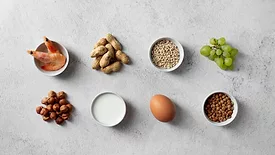
At its December 2025 Board Meeting, the UK Food Standards Agency (FSA) recommended that the agency support Codex proposals on precautionary allergen labeling (PAL) and seek UK alignment with Codex PAL recommendations.
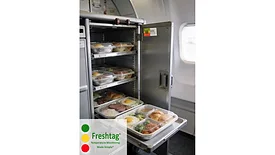
Vitsab International AB has introduced Freshtag, a color-changing smart label that monitors time and temperature conditions for perishable foods along the supply chain.
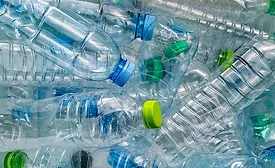
Polyethylene terephthalate (PET) is not flawless; no packaging material is. However, its long safety record, rigorous regulatory oversight, and strong sustainability profile make it a material worth defending.
EcoBio Barrier Paper is a recyclable, repulpable, and biodegradable option for moisture-proof and greaseproof packaging. It is made without intentionally added plastics, per- and polyfluoroalkyl substances (PFAS), or fluorochemicals.
Although elevated levels of some PFAS were found in the blood of people who ate more highly processed foods, people who ate minimally process foods showed elevated levels of other PFAS compounds—suggesting that dietary choices cannot protect people from “forever chemicals,” and that systemic solutions are needed.
A review published by EFSA concludes that, while there is clear evidence of microplastic release from food contact materials (FCMs), the actual quantities are likely lower than many studies suggest, and current evidence does not support reliable exposure estimates. Nanoplastics data remain insufficient.
This episode of Food Safety Five discusses a UK proposed ban on Bisphenol A (BPA) in food contact materials, as well as two studies with global relevance: a successful clinical trial for a novel Salmonella vaccine and research demonstrating how nanoplastics enter the edible parts of crops.