AB 2034 aims to tighten oversight of ingredients used in foods sold in the state that have entered the food supply without a formal FDA safety review through the Generally Recognized as Safe (GRAS) process.
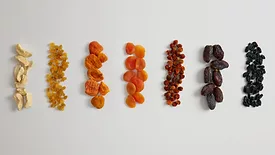
The STEC O26:H11 outbreak sickened 40 people and resulted in 19 cases of hemolytic uremic syndrome (HUS) in children. Dried fruit was the probable vehicle of illness. Researchers underlined the importance of a weight-of-evidence approach in the outbreak investigation.
In this episode of Food Safety Matters, we speak to food science and packaging expert Dr. Claire Sand about the regulatory, sustainability, and technical considerations for food companies regarding chemicals of concern in packaging, and what the future of food packaging might look like.
MagnaFlow is a new automated inline washwater analyzer that provides continuous, real-time visibility into the microbial loads present in post-harvest wash systems.
A presidential Executive Order invoked the Defense Production Act of 1950, asserting that glyphosate-based herbicides are critical to “national security.” MAHA supporters are pushing back on the order.
The SMARTBIOME platform combines high‑resolution DNA sequencing with bioinformatics and data science, an exclusive spoilage knowledge base, and expert consulting services to translate microbiological data into actionable insights.
The research from Oregon State University also found that queso cotija supports L. monocytogenes survival but not growth, and that organic acid surface treatments could inhibit L. monocytogenes growth on queso fresco.
The findings emphasize the need for cereal manufacturers to optimize processing steps for each process contaminant, while also considering the effects on product quality.
Amid the ongoing global infant formula recall due to possible cereulide contamination, some countries have reported cases of mostly mild gastrointestinal illness in infants who had consumed infant formula, but confirming cereulide exposure is a challenge.
Although generally detected at low levels, mycotoxins were present in all plant-based meat alternative and beverage samples, suggesting that cumulative exposure may pose health concerns.
 RSS
RSS