Recall activity in 2026 is sending a clear message that the industry is not facing isolated failures, but rather recurring breakdowns in the systems designed to prevent them. Manufacturers must prioritize four critical areas to minimize the risk of product contamination and recalls heading into 2027.
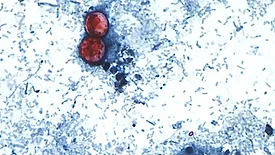
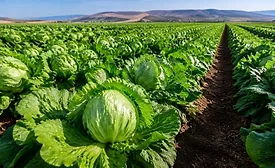
CDC has declared the unprecedented Cyclospora outbreak linked to Taylor Farms iceberg lettuce over. FDA continues its root cause investigation of the current outbreak as well as investigations into other U.S. cyclosporiasis outbreak clusters.
Additionally, 80 percent of respondents believed food recalls were effective in protecting public health and safety, down from 85 percent in 2025. GS1 US suggested that traceability and improved data-sharing would help companies identify affected products and increase consumer confidence.
The Taylor Farms iceberg lettuce recall has been given Class I status. The details of the recall and FDA’s public health advice remain unchanged. Experts explain why recall classifications “should not be a media-worthy event” and how such headlines can cause confusion among consumers.
The Nara Organics infant botulism outbreak has ended, with four sick in three states. Whole genome sequencing (WGS) findings and a shared powdered milk supplier/processor indicate a common source of contamination with the 2025 outbreak linked to ByHeart infant formula.
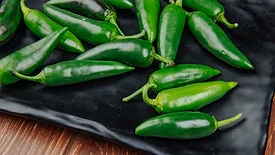
There have been 57 hospitalizations. The peppers were grown in Sinaloa, Mexico, and distributed by Coast Citrus Distributors to companies across the U.S., including Chipotle, which used its traceability system to help FDA identify the outbreak source.
There are an additional six cyclosporiasis outbreaks under investigation and thousands more Cyclospora cases reported by CDC and states. Two deaths have been reported. Stakeholders are urging an end to the Food Traceability Rule delay.
The appropriations bill for FY 2026 prohibits FDA from using federal funds to implement FSMA 204 before the delayed July 2028 compliance date. Earlier implementation of the Traceability Rule could have enabled faster, more effective response to the ongoing cyclosporiasis outbreak linked to Taylor Farms lettuce.
Automated, risk-tiered supplier monitoring does not prevent an outbreak (like this summer's cyclosporiasis event) or replace the traceback work done by FDA and CDC, but it can change how fast and how precisely a distributor can act while that investigation unfolds.
The recent Cyclospora outbreak linked to shredded iceberg lettuce is a reminder of just how difficult modern foodborne outbreak investigations have become. In reality, food safety investigations rarely depend on a single "smoking gun." The future of ensuring food safety lies not in simply improving any one test or technology, but in integrating them into a comprehensive decision-support system.
 RSS
RSS