Given the headlines coming out of 2025, it would be reasonable to expect a shift in recall patterns in the food industry. Yet, looking past the headlines and into the numbers, 2025 remained remarkably consistent with the past decade of recall trends, in terms of count and cause.
The outbreak cluster includes more than 1,600 people in Indiana, Kentucky, Michigan, Ohio, and West Virginia. Outside of the outbreak cluster, Michigan and other parts of the U.S. continue to experience elevated rates of Cyclospora infections compared to previous years.
The letter to industry was issued in response to the botulism outbreaks linked to Nara Organics and ByHeart formulas, which identified Clostridia in the whole milk powder ingredient supply chain, as well as the global formula recall due to cereulide-contaminated arachidonic acid oil.
Four infants in three states have been hospitalized with botulism after consuming Nara Organics Whole Milk Organic Powdered Infant Formula. California public health officials have detected Clostridium botulinum in an open can of Nara Organics formula collected from the home of an outbreak patient.
The Nuclear Energy Agency (NEA) recommendations were informed by lessons learned from the Chernobyl and Fukushima Daiichi incidents, which demonstrated that radioactive contamination of food can have long-lasting public health and economic consequences.
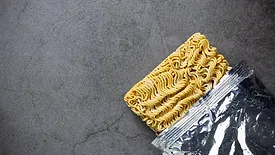
At least 106 people have been infected by the outbreak strain in 13 European countries. Young people are disproportionately affected. Some sickened children reported eating the noodles and seasoning dry, without adding boiling water as instructed on the package.
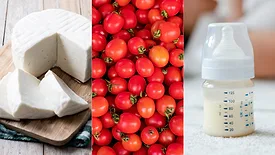
The Alert and Cooperation Network (ACN), which enables EU Member States to exchange information and coordinate responses to food safety incidents, processed a record 10,490 notifications. Notable incidents included a Listeria outbreak linked to French cheese, Salmonella in Italian tomatoes, and cereulide in infant formula.
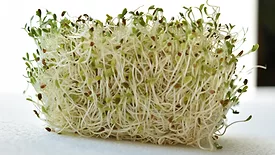
Traceability investigations identified a common seed supplier, with implicated alfalfa seeds imported from India and distributed throughout Europe. Available evidence suggested the seeds were likely contaminated before entering the EU.
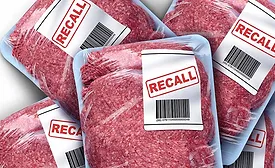
Only six deaths were reported in 2024. The majority (nine) of the 12 fatalities in 2025 were included in one E. coli outbreak linked to ground beef served at long-term care facilities nationwide.
 RSS
RSS