The U.S. Department of Agriculture’s Food Safety and Inspection Service (USDA’s FSIS) recently launched the agency’s first application programming interface (API) on its website, giving software developers access to data on recalls and food safety alerts, and allowing them to integrate that information into apps and other digital services.
The European Food Safety Authority (EFSA) Nutrition and Food Innovation Unit is launching a project to develop a structured database containing key information from EFSA’s novel food opinions to support risk assessment activities.
The Joint Food and Agriculture Organization of the United Nations (FAO)/World Health Organization (WHO) Expert Meeting on Microbiological Risk Assessment (JEMRA) will hold a meeting on September 18–22, 2023 in Rome, Italy to discuss food attribution, analytical methods, and indicators of viruses in foods.
The World Health Organization (WHO) has issued an open call for elicitors to help develop estimates of the global burden of foodborne disease by participating in a structured expert judgement study.
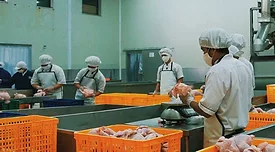
Food safety culture is about people. Food companies that do this well empower all employees across the entire business to take appropriate action to ensure that the final product is safe. The ultimate goal is to ensure that all employees do the right things all the time—even when no one is looking.
For National Food Safety Education Month 2023, organizations, academia, and regulatory agencies are offering free resources, training, and educational content about food safety.
The UK Government has delayed the introduction of new food import controls under the Border Target Operating Model (TOM) to the end of January 2024, postponing the requirement for the inspection and certification of medium- and high-risk animal products and produce entering the country.
During 2006–2021, Canada saw 55 laboratory-confirmed outbreaks of foodborne botulism, according to a recent article published in the U.S. Centers for Disease Control and Prevention’s (CDC’s) journal Emerging Infectious Diseases.
A recent review of case studies on food safety management systems (FSMS) in small- to medium-sized food businesses in developing regions around the world has painted a picture of global FSMS developments and identified the constraints and advantages associated with their implementation.
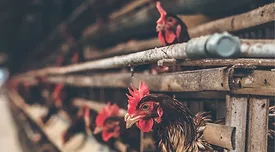
A team of scientists is developing a rapid sensor-based decision-making system to assess and mitigate Salmonella contamination across the entire poultry supply chain, with an emphasis on improving health equity by leveraging data to help disproportionately affected communities make informed food safety decisions.
 RSS
RSS