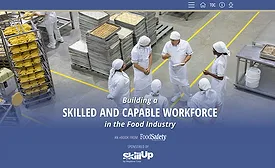
Staying in compliance with food laws and avoiding food safety incidents requires more than ticking compliance boxes—it demands a strategic investment in people.
This article shares best practices for using existing organizational momentum to drive food safety culture improvementand keep SQF scores high. It also suggests ways to cast a wide net to gather ideas for continual improvement that will reduce risk and better protect public health.
Four European research and innovation projects—SecureFood, EFF-CoP, ACT4FOOD, and DEFENSEFOOD—will host a joint webinar on July 3, titled, "Advancing Food System Security: From Early Signals to Systemic Resilience.”
The Partnership for Food Safety Education is offering resources to help families, educators, and community leaders prevent foodborne illness during America 250 celebrations through simple, science‑based steps.
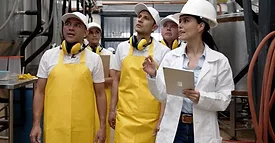
Once seen primarily as compliance enforcers, QA teams are now expected to be strategic business partners, shaping food safety culture, driving skills development, and leveraging risk and data analytics to enable continuous improvement.
The accreditation from COFRAC, France’s sole national accreditation body, covers inspections to assess food safety and quality practices at food retail establishments.
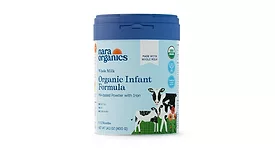
Three babies in three states have been sickened in the second infant botulism outbreak identified since late-2025. All patients were fed Nara Organics Whole Milk Infant Formula. A recall has been issued, and product testing is underway.
Following the adoption of EU regulations in 2021 that set food safety culture requirements for food business operators, a European Commission survey conducted in 2025 showed that countries’ progress and approach toward culture official controls are varied, with significant difficulties reported.
The WHO Advisory Group on Pesticide Specifications supports the evaluation of scientific dossiers to inform the development of WHO specifications for public health pesticides.
Dioxins and dioxin-like polychlorinated biphenyls (DL-PCBs) are environmental contaminants generated as byproducts of industrial processes and waste incineration. EFSA’s risk assessment resulted in a lower tolerable weekly intake, which Europeans generally exceed.
 RSS
RSS